

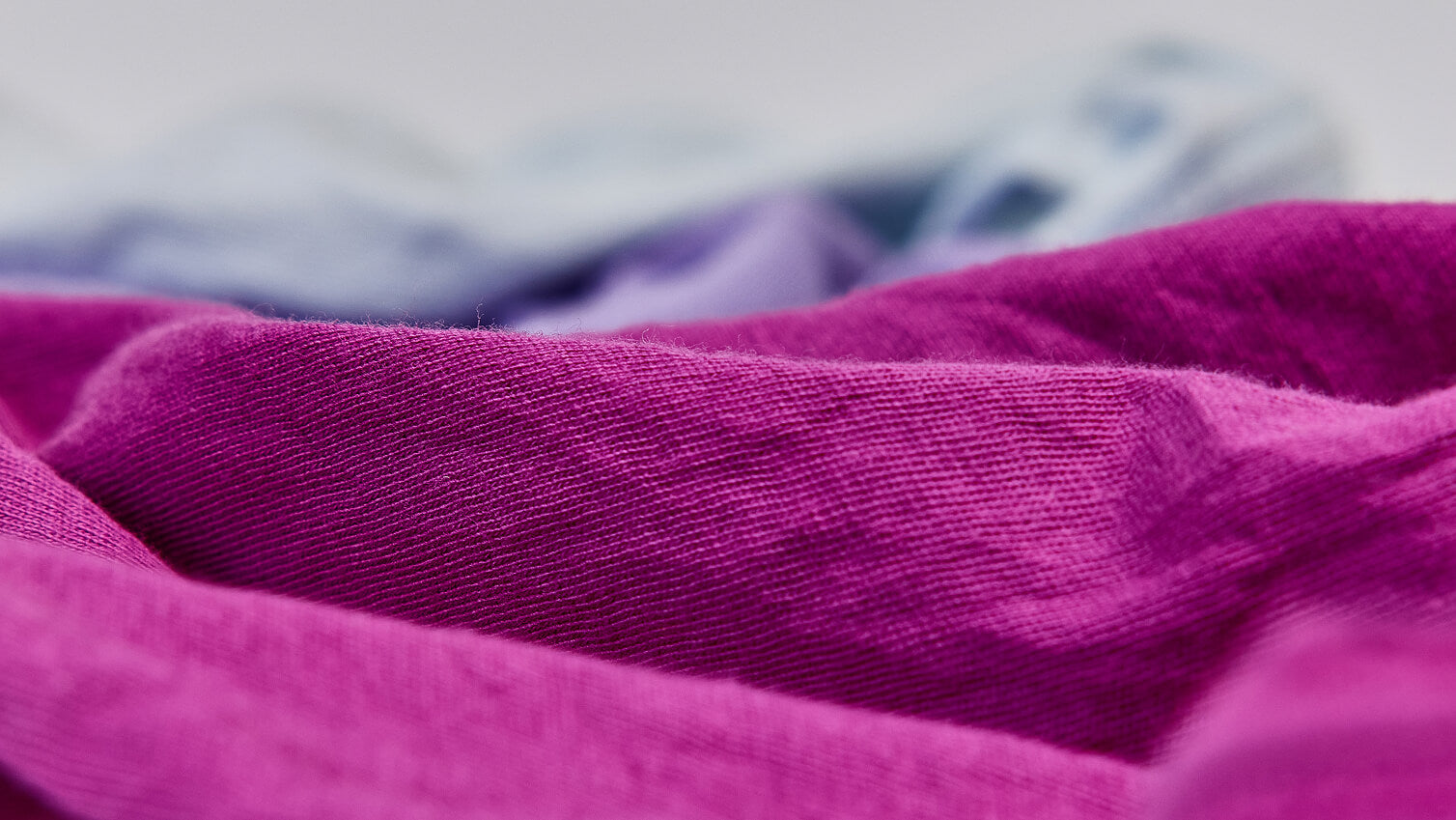
Have you ever noticed that your favorite towels or shirts feel softer and more absorbent after multiple washes? It’s a common experience, and there are fascinating reasons behind this transformation.
When it comes to sustainability and efficiency, recycled textile cloths designed for industrial use can outperform virgin materials. Take our **white towel**, made from laundered hospitality towels, for example, this product showcases the benefits of recycled textiles. Let’s dive into the science of textiles and explore why laundered fabrics, especially recycled ones, offer superior performance in industrial applications.
Mechanical Action: The Power of Washing
When you wash textiles, the mechanical action plays a crucial role. The agitation during the wash cycle breaks down the surface structure of the fibers, making them more flexible and softer. As the fabric rubs against itself and the washing machine drum, it undergoes a gentle abrasion that contributes to its enhanced texture. This process is what makes our **white towel** exceptionally absorbent and durable for industrial applications.
Goodbye, Finishing Agents
New textiles often come with a variety of finishing agents designed to enhance their appearance and durability. These chemicals can leave a stiff or slick feel. However, laundering removes these agents, allowing the natural fibers to breathe and soften. Over time, the fabric becomes more effective for industrial use. For instance, our **white lint-free linen**, crafted from laundered hospitality linens, offers immediate softness and absorbency without the chemical burden of virgin materials, making it ideal for cleaning tasks that require a pristine finish.
Fiber Relaxation: A Natural Process
New fabrics can retain tension from the manufacturing process, making them feel stiff. Washing allows these fibers to relax, providing a more flexible touch. Additionally, as textiles absorb water during washing, the fibers swell, increasing their volume and enhancing their overall effectiveness. Recycled fibers, such as those used in our **white towel**, often start from a more relaxed state, improving their initial performance in industrial settings.
The Secret to Absorbency
One of the most remarkable changes in laundered textiles is their increased absorbency. The washing process opens up the fiber structure, making it more porous and capable of soaking up moisture. Regular laundering removes dirt, oils, and impurities that can hinder a fabric’s ability to absorb water. Both our **white towel** and **white lint-free linen** are designed for efficiency, absorbing moisture effectively and making them excellent choices for industrial cleaning and maintenance tasks.
Embracing Natural Fiber Characteristics
Natural fibers, like cotton, inherently become softer with washing. Their unique properties allow them to develop a more effective texture over time. This is why many prefer cotton towels and clothing, each wash contributes to a more functional fabric. Recycled textiles, like those found in our **white lint-free linen**, capitalise on these natural fiber benefits while promoting sustainability, making them a perfect fit for industrial use.
Why Recycled Textile Cloths Are Softer and More Efficient
The transformation of textiles from stiff and new to soft and absorbent is a beautiful interplay of mechanical action, chemical removal, and the natural properties of fibers. Recycled textile cloths not only enhance performance but also offer greater efficiency compared to virgin materials. In an industrial context, products like our **white towel** and **white lint-free linen** represent a sustainable choice that meets the demands of both functionality and environmental responsibility. So, the next time you reach for a reusable cloth, consider the journey it has taken through the wash and the benefits of choosing recycled over new!
Feel free to share your own experiences with laundered textiles and recycled materials in the comments below.
Reusable vs Disposable Cloths: The Real Cost Calculation
What Your Industrial Cleaning Cloths Are Actually Made From