
Cleans without leaving lint.

Fast, dependable service.

Made from recycled textiles.

Proudly manufactured in the UK.

Built for professional use.

Free delivery over 60 units.
Cleans without leaving lint.
Fast, dependable service.
Made from recycled textiles.
Proudly manufactured in the UK.
Built for professional use.
Free delivery over 60 units.

Cleans without leaving lint.
Free delivery over 60 units.
Made from recycled textiles.
Proudly manufactured in the UK.
Built for professional use.
Cleans without leaving lint.
Free delivery over 60 units.
Made from recycled textiles.
Proudly manufactured in the UK.
Built for professional use.
In aerospace, the cloth is part of the process record, not an afterthought. FOD risk from lint is taken seriously at every stage of MRO work: a single fibre shed near an engine intake or open avionics bay is a potential incident. The same contamination risk applies during manufacturing. Surface prep on CFRP panels and coated aluminium before bonding or coating requires a chemically neutral, low-lint cloth. Residue from sizing agents or loose fibres from poorly controlled stock causes adhesion failure. That is a quality escape. Most procurement leads writing consumables specs for a Part 145-approved facility want consistent, traceable performance, not the cheapest option on the shelf.
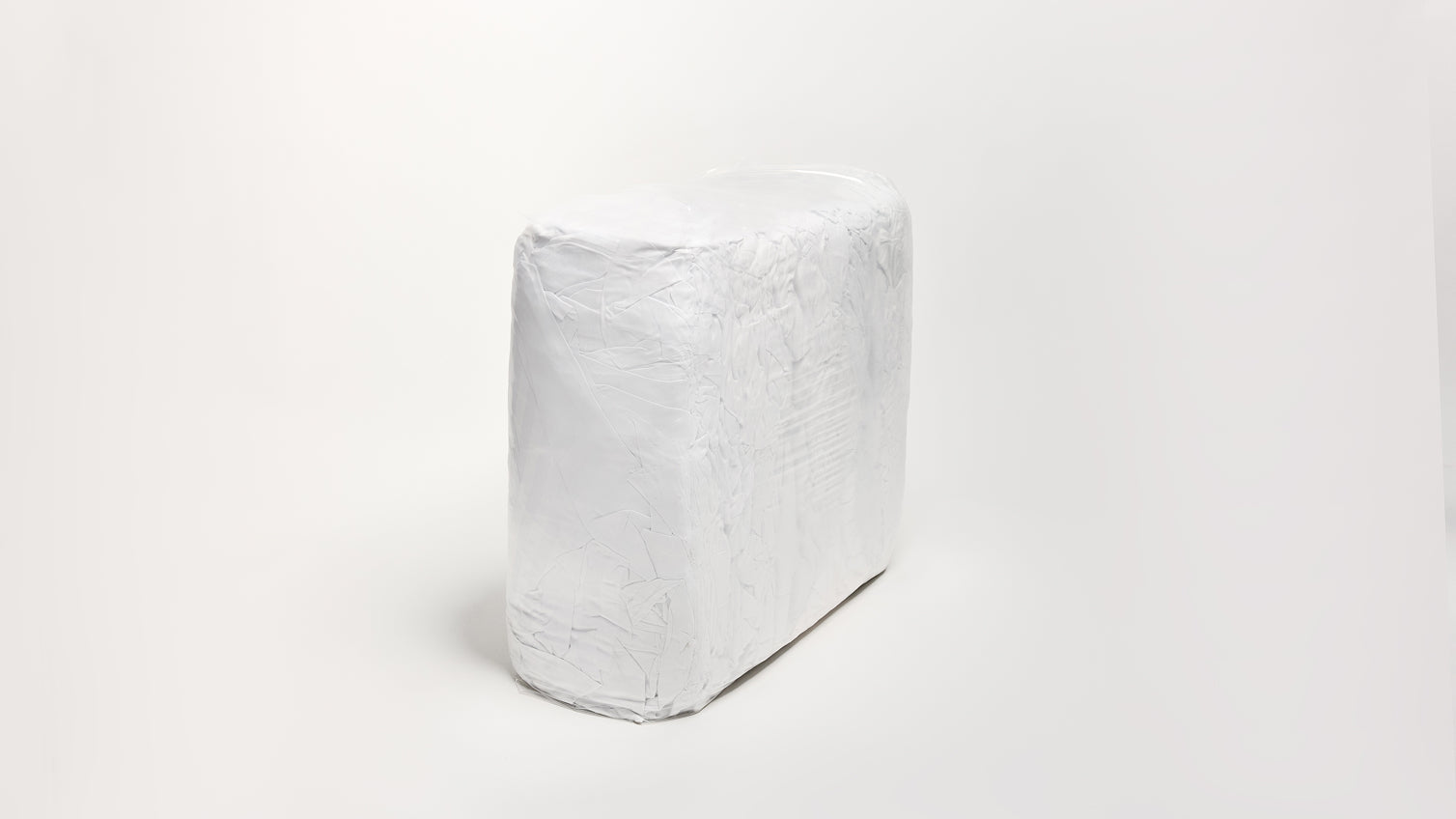
Red Rose has supplied industrial cleaning cloths to UK industry since 1958. Every cloth is 100% recycled textile, washed and sterilised before despatch, and supplied in weighed bulk bags suited to stock room management. That processing consistency matters in aerospace procurement: batch 50 behaves the same as batch 1, which is relevant when the cloth is logged alongside part numbers and torque settings. Lint-free cloths for aerospace applications and MRO aerospace wipes are available in 5kg, 8kg, and 10kg bags. Free delivery on orders over 60 units. UK manufacture keeps lead times reliable and supply chain visibility straightforward.
FAQs
Are aerospace cleaning cloths low-lint enough for use around aircraft engines and open fuel systems?
Yes. The linen and roller towel cloths in this range are low-lint by construction, and the washing and sterilisation process removes loose fibres and any residual processing agents before despatch. FOD from cloth fibres is a recognised risk in MRO environments and the primary reason aerospace facilities specify low-lint wipes over standard industrial cloths.
Which solvents are these cloths compatible with?
The linen and roller towel cloths perform well with isopropyl alcohol and standard aviation degreasers. They absorb without breaking down or shedding additional fibres under solvent contact, which is the primary concern during IPA wipe-downs before bonding or sealant application.
Can these cloths be used on CFRP and composite surfaces?
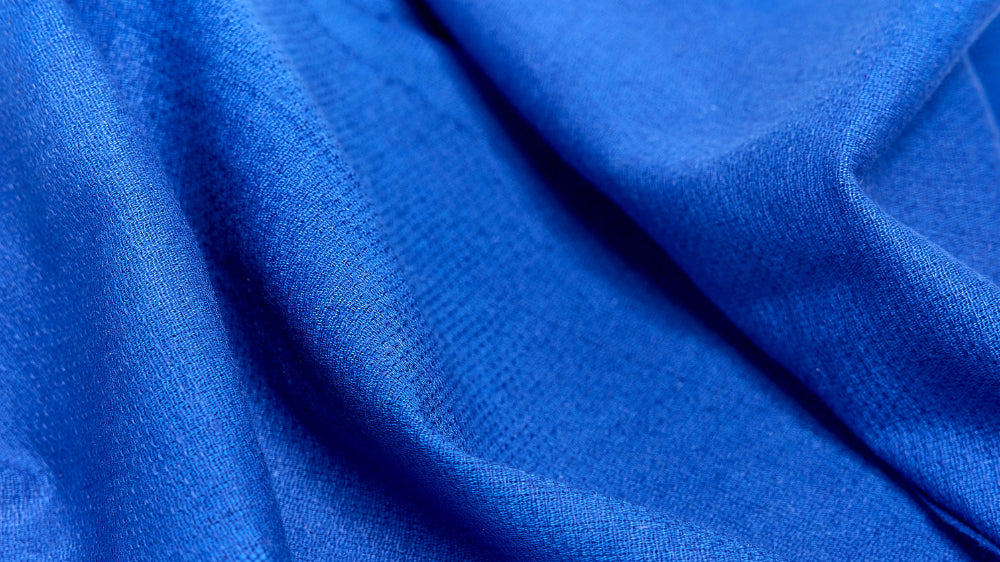
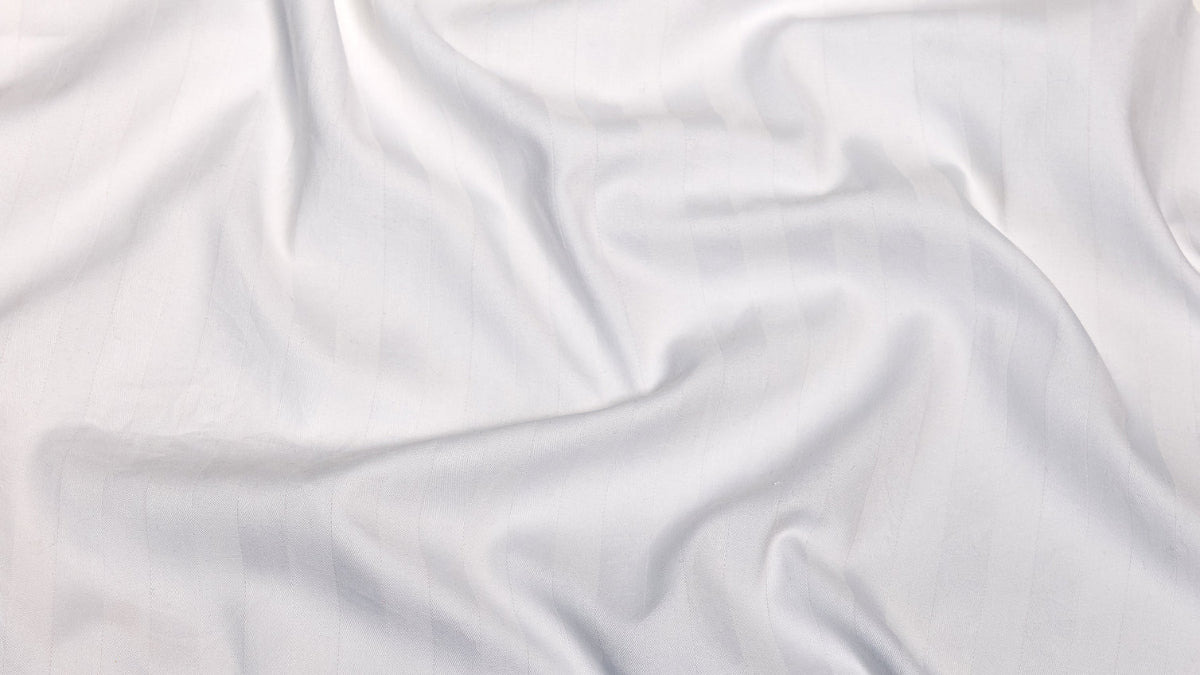
Yes. Linen cloths are a good choice for CFRP and composite surfaces because the weave does not shed abrasive particles and the material is chemically neutral. The washing process strips out sizing agents and any residues that could interfere with surface prep before bonding or painting. On coated aluminium and painted aircraft skins, the same applies: no abrasive content, no chemical contamination from the cloth itself.
The most common source of adhesion failure in pre-bond prep is cross-contamination carried to the surface by the cloth. Using a clean cloth from a sealed bag for each prep stage removes that variable.
How do you prevent cross-contamination between maintenance zones?
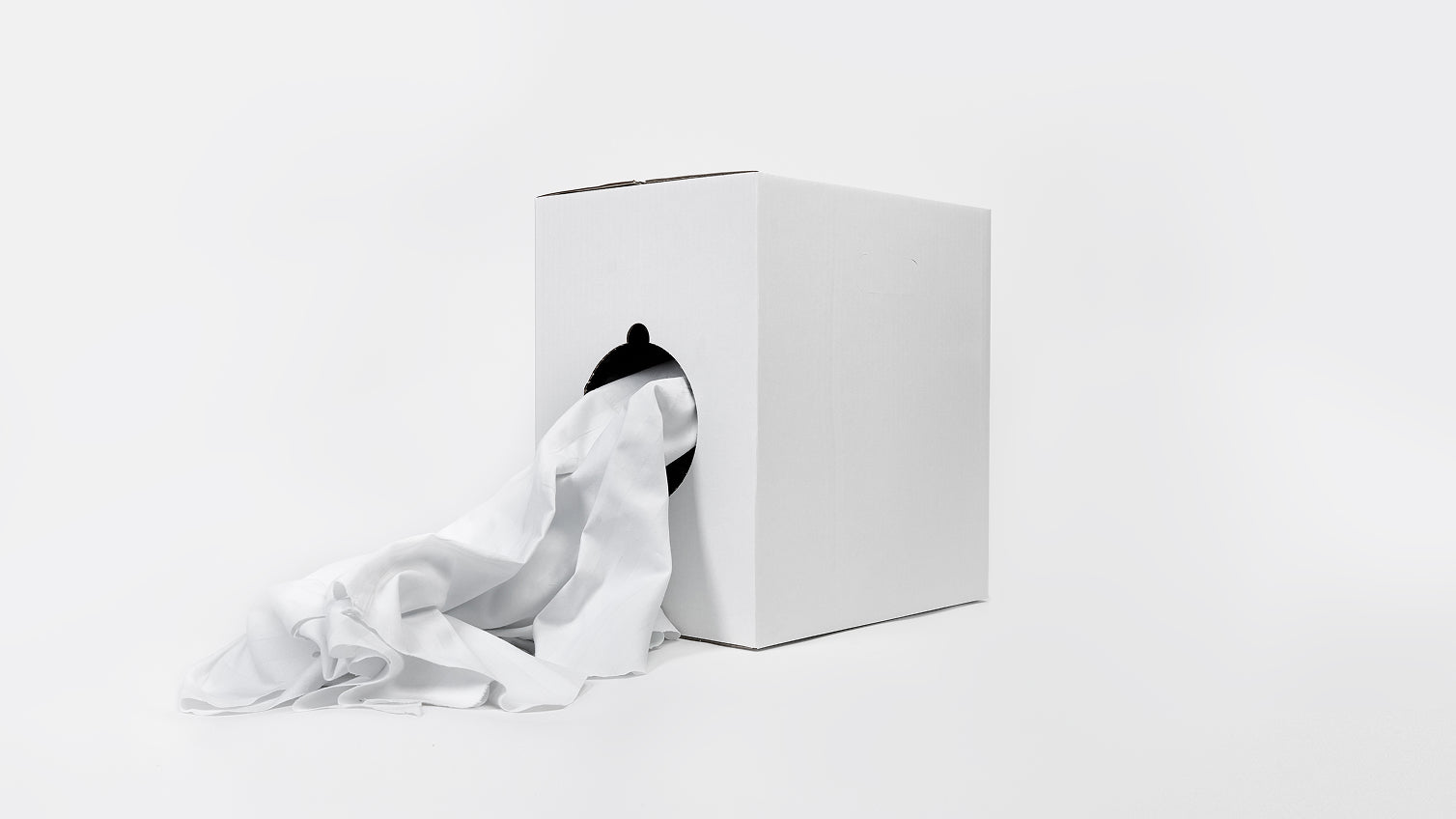
The cloths are supplied in sealed bulk bags, which makes zone-specific allocation straightforward: one bag per task area, not shared between zones. For facilities running colour-coded contamination control systems, the natural linen and white roller towel finishes can be incorporated into existing protocols.
The most common cross-contamination risk in MRO environments is hydraulic fluid or lubricant reaching a surface going through composite repair or oxygen system work. Single-use allocation per task, with used cloths bagged separately as contaminated waste, is the standard practice. These cloths are 100% recycled textile and classified accordingly for disposal as controlled or industrial waste depending on what they have contacted.
Are these cloths suitable for pre-bond and pre-paint surface preparation?
Linen cloths are used widely for IPA wipe-downs before structural bonding and painting in aerospace manufacturing and MRO. The requirements for this application are low lint, chemical neutrality, and no surface contaminants introduced by the cloth itself. Red Rose cloths are washed and sterilised before despatch, removing loose fibres and processing residues.