

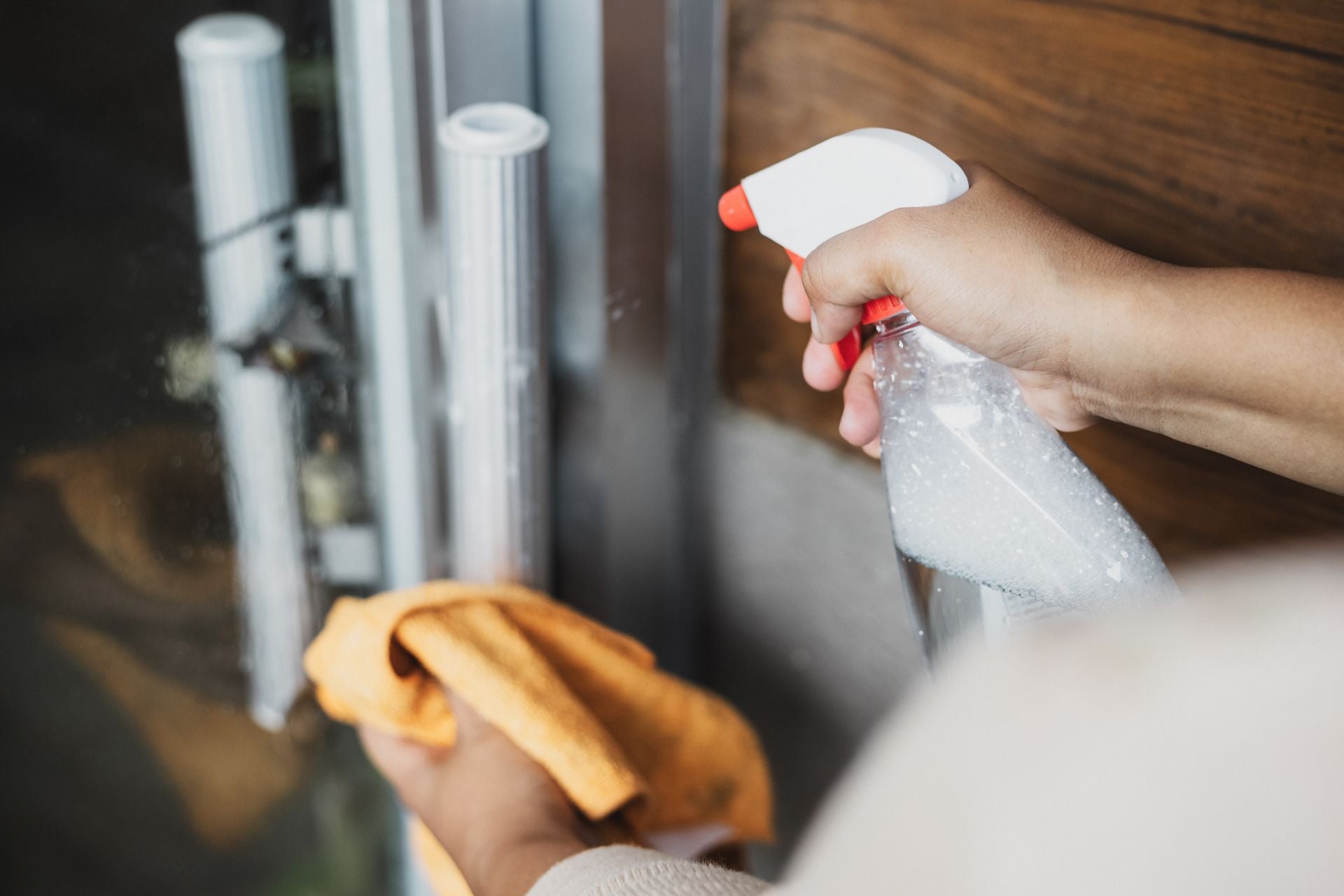
Most industrial operations that switch from disposable wipes to recycled cleaning rags do it for cost reasons. They stay with recycled rags for cost reasons. The environmental case is a bonus. The performance case closes any remaining doubt.
The Cost Per Wipe
A 10kg box of recycled cleaning rags from Red Rose costs £11 and contains approximately 90 cloths. Industrial blue roll, the most common disposable alternative in UK workshops, costs considerably more per wipe and generates packaging waste on top of the used material.
At higher volumes the gap widens. A workshop going through 500 wipes a week spends meaningfully more on disposable roll over a full year than on equivalent recycled cloth volume. That figure does not include disposal costs for contaminated disposable material, which some waste contracts bill separately from general waste. That adds up too.
Recycled cloths also absorb more per cloth than most disposable wipes in common sheet formats. Fewer cloths per task in high-fluid applications means the cost advantage per cleaning event is larger than the price per cloth comparison suggests on its own.
How Much Can a Business Save by Switching to Recycled Cleaning Rags
The arithmetic consistently favours recycled cloths. A 10kg box costs £11 for around 90 cloths. Blue roll at comparable volume costs significantly more per wipe and generates disposal costs on top. At high usage volumes the annual saving is substantial. Businesses that switch rarely go back to disposables on cost grounds.
What Happens to Disposable Wipes After Use
A busy UK workshop going through one roll of blue roll per day generates over 300 used rolls per year. In most cases the material is contaminated with oil, solvent, or cutting fluid. Disposal costs money. In some cases, the contamination level moves the waste into a specialist disposal category.
Recycled cleaning rags start as post-industrial textile waste that would otherwise go to landfill. Red Rose has been sourcing and processing reclaimed textiles since 1986. The family business was founded in that year specifically to give surplus and reclaimed fabric a second working life. Using it as a cleaning cloth extends the value of the original material rather than discarding it.
For businesses with environmental reporting requirements, the difference is documentable. Tonnes of textile waste diverted from landfill per year is a number that goes into a sustainability report. Rolls of blue roll disposed of is not.
Performance in Practice
Recycled cotton cloths absorb oil, grease, cutting fluid, and general workshop soiling in most industrial applications. The heavier weights, sweatshirt and towelling constructions specifically, hold more liquid per pass than most disposable wipe formats at the same price point. For machine wipe-down and spill absorption, performance is not the concern.
Where disposable wipes have a genuine case is in single-use contamination scenarios. If a cloth has contacted a highly hazardous substance that cannot safely be laundered, disposable and direct to specialist waste is the correct approach. That is a specific process requirement. It is not the general workshop situation, and most workshop cleaning tasks do not fall into that category.
Industrial cleaning cloths in cotton can be laundered and returned to service depending on what they have contacted. An oily workshop cloth used on machinery can typically be washed. This brings the effective cost per use down further beyond the initial purchase price, pulling the gap with disposables wider still.
Making the Switch Work in Practice
The practical change from disposable wipes to recycled cloths is not significant. The cloths replace the disposable at the point of use. The main additions are a collection container for used cloths and a laundering arrangement if the business intends to reuse them.
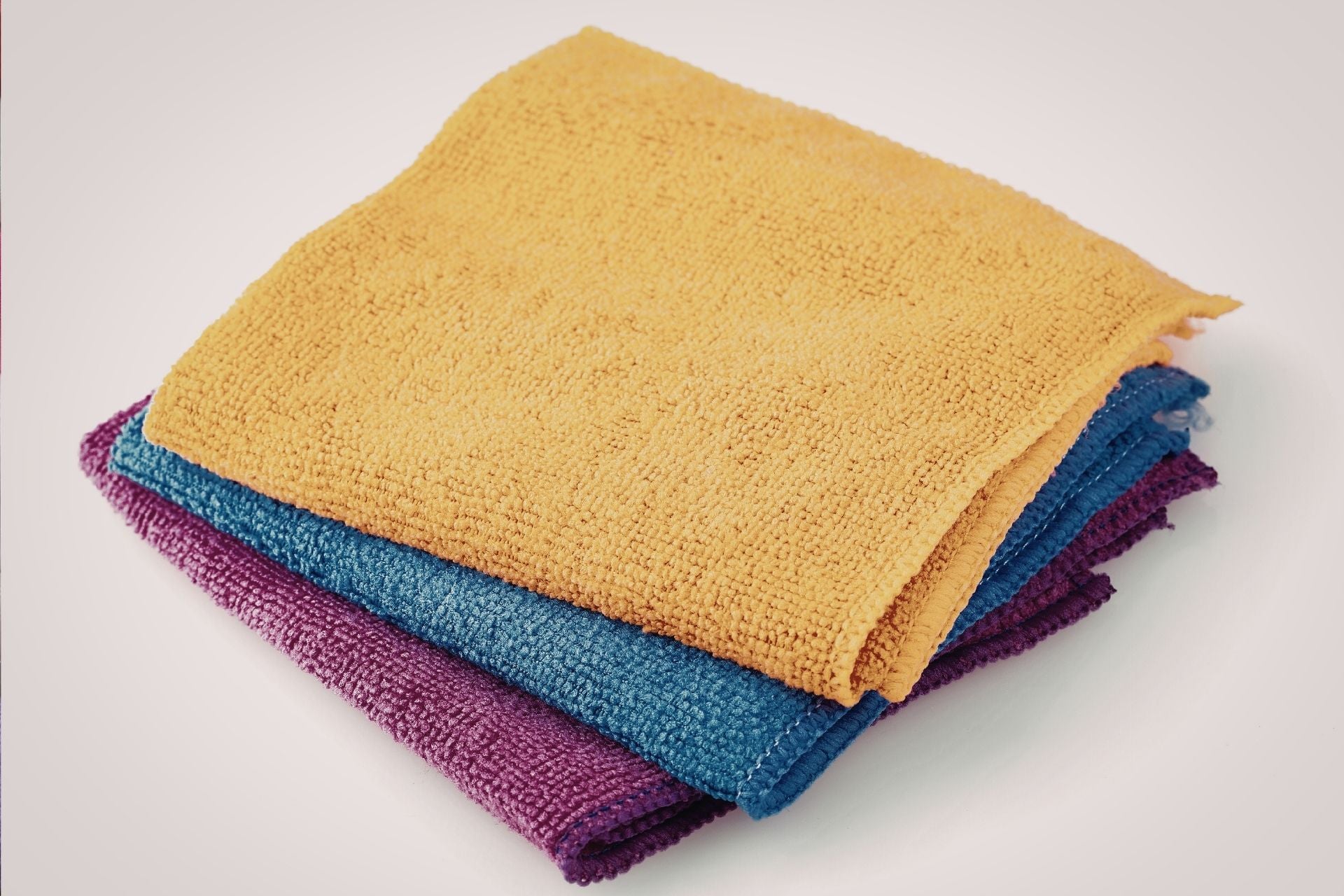
Coloured cleaning rags make task and zone separation straightforward in operations with multiple machines or surfaces. Red Rose coloured cotton cloths start from £10 for a 5kg box, making a colour-coded cloth system affordable even at moderate volumes.
Free delivery is available on orders over 60 units. For operations going through significant cloth volume, ordering quarterly at bulk keeps supply simple and removes the risk of running short mid-production week. The Red Rose full product range covers all the main cloth types needed for most industrial operations from a single supplier.
Are Recycled Cleaning Rags Hygienic Enough for Food Industry Use
Yes, with the right cloth management system in place. Colour coding by zone and task, combined with a laundering protocol, is what makes it work. Many food processing facilities have run recycled cloth programmes for years alongside full hygiene compliance. The cloth is not the hygiene variable. The system around it is.

Lint Free Cleaning Cloths and What They Are Actually For
How to Choose the Right Cleaning Cloths for Your Industry