

Proudly manufactured in the UK.

Free delivery over 60 units.

Built for professional use.
Proudly manufactured in the UK.
Free delivery over 60 units.
Built for professional use.
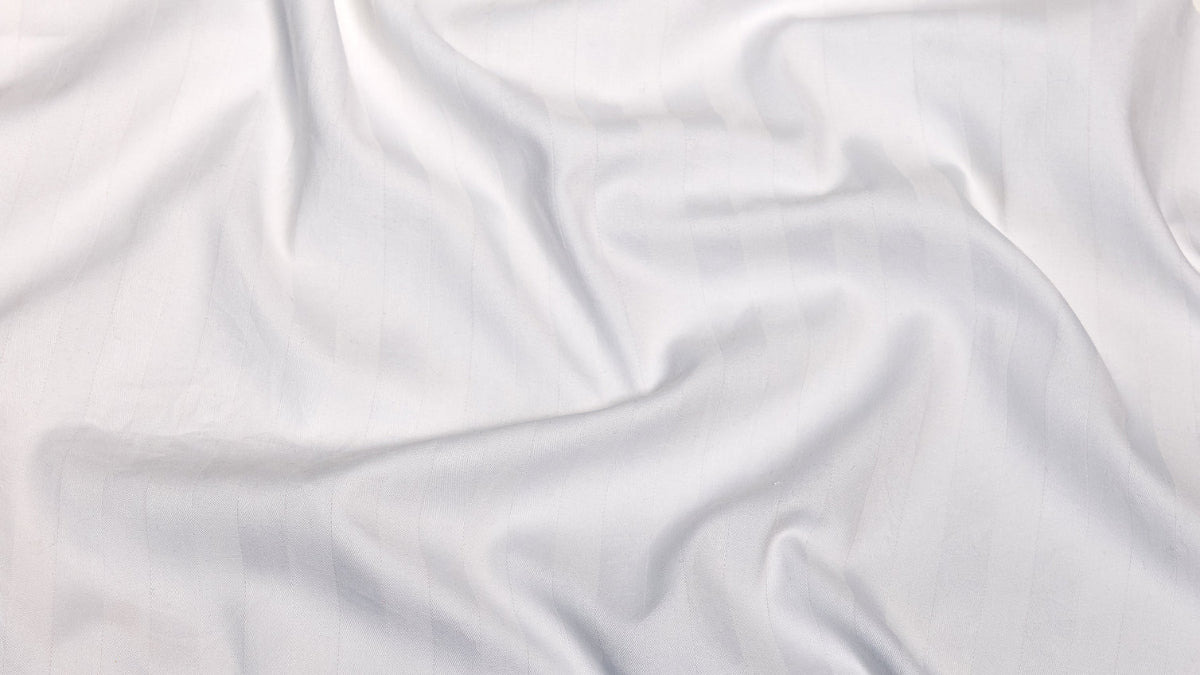
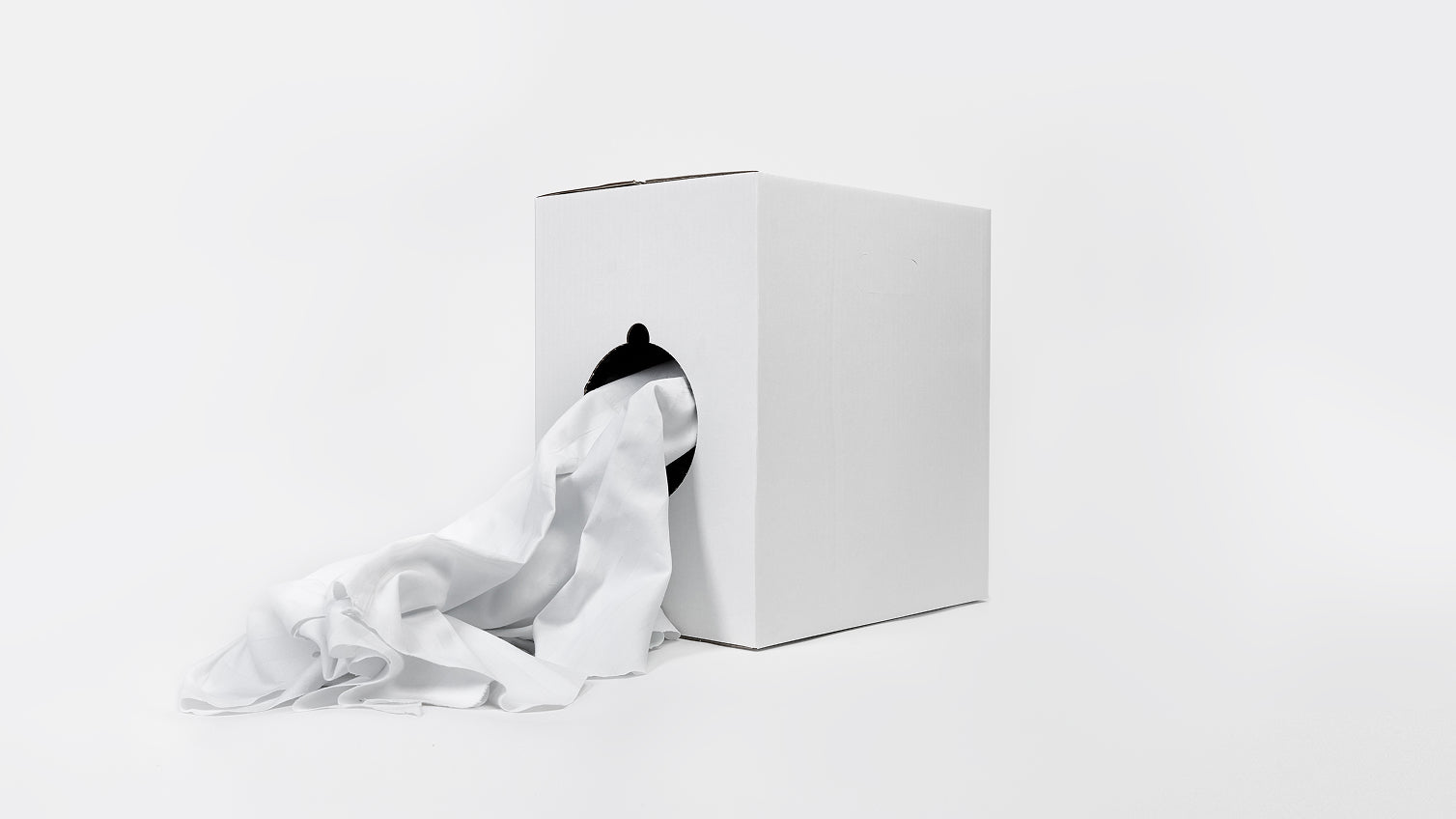

Cleans without leaving lint.

Fast, dependable service.

Made from recycled textiles.
Proudly manufactured in the UK.
Built for professional use.
Free delivery over 60 units.
Cleans without leaving lint.
Fast, dependable service.
Made from recycled textiles.
Proudly manufactured in the UK.
Built for professional use.
Free delivery over 60 units.
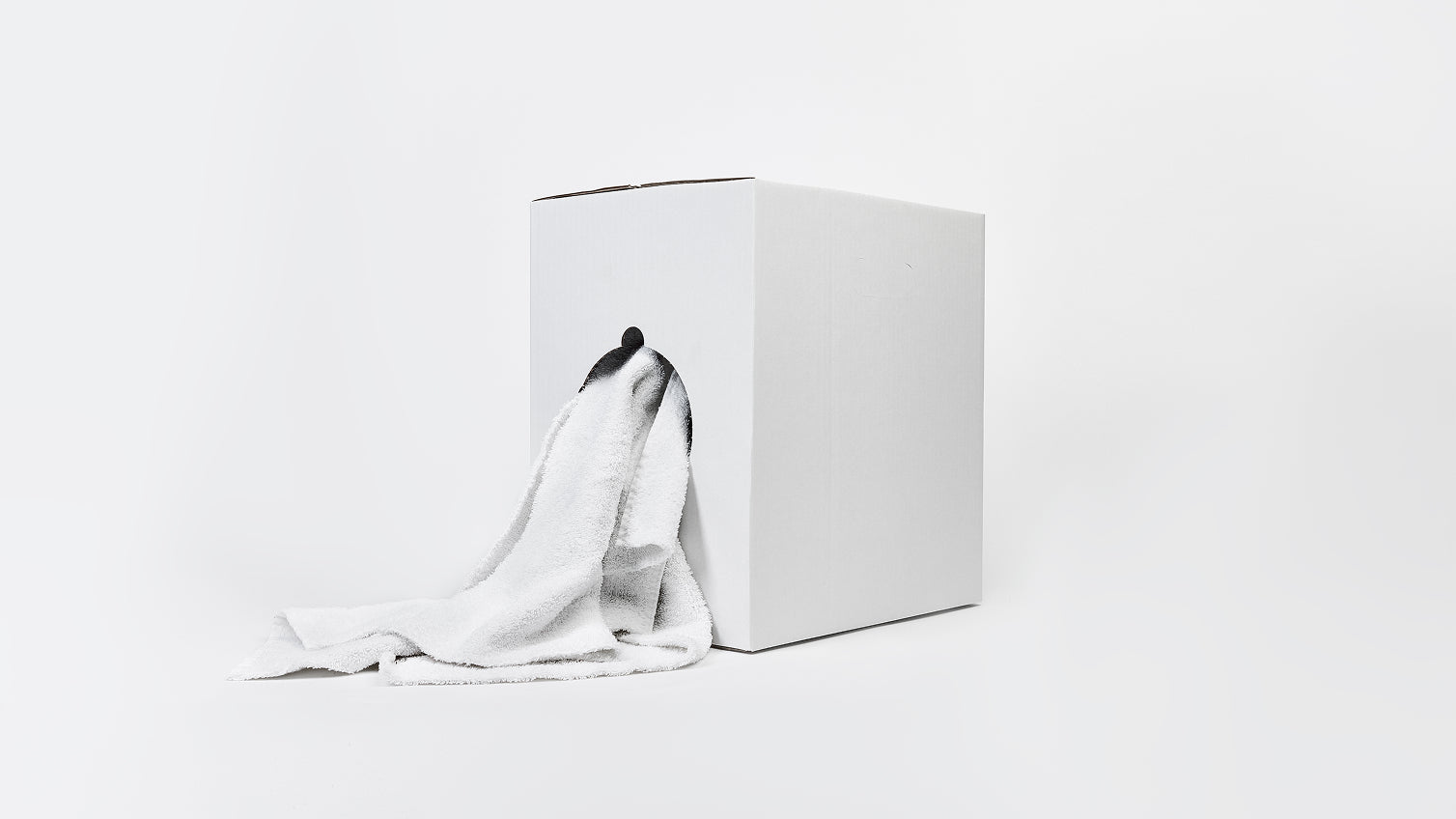
Cleans without leaving lint.
Proudly manufactured in the UK.
Free delivery over 60 units.
Built for professional use.
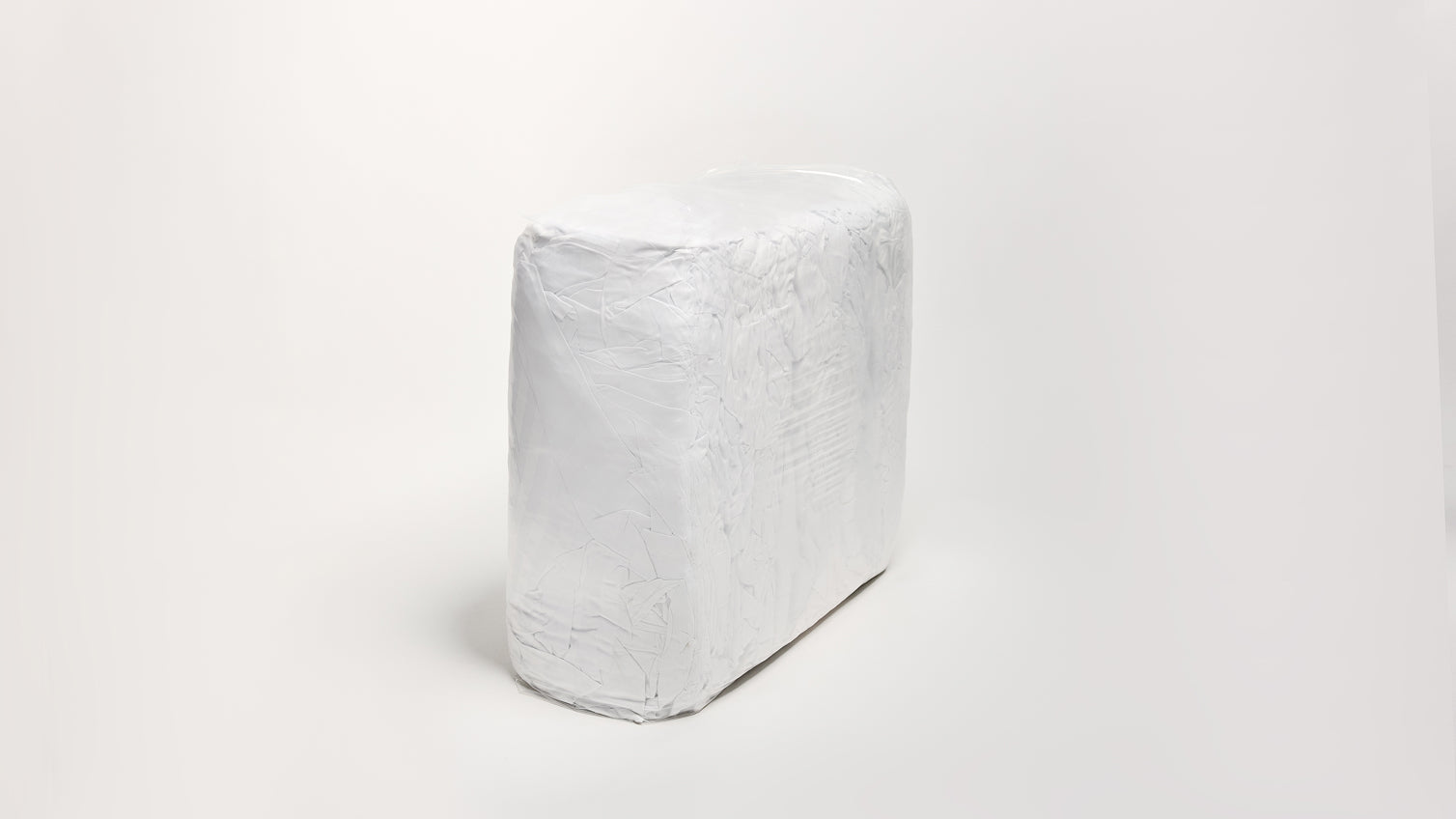
Cleans without leaving lint.
Proudly manufactured in the UK.
Free delivery over 60 units.
Built for professional use.
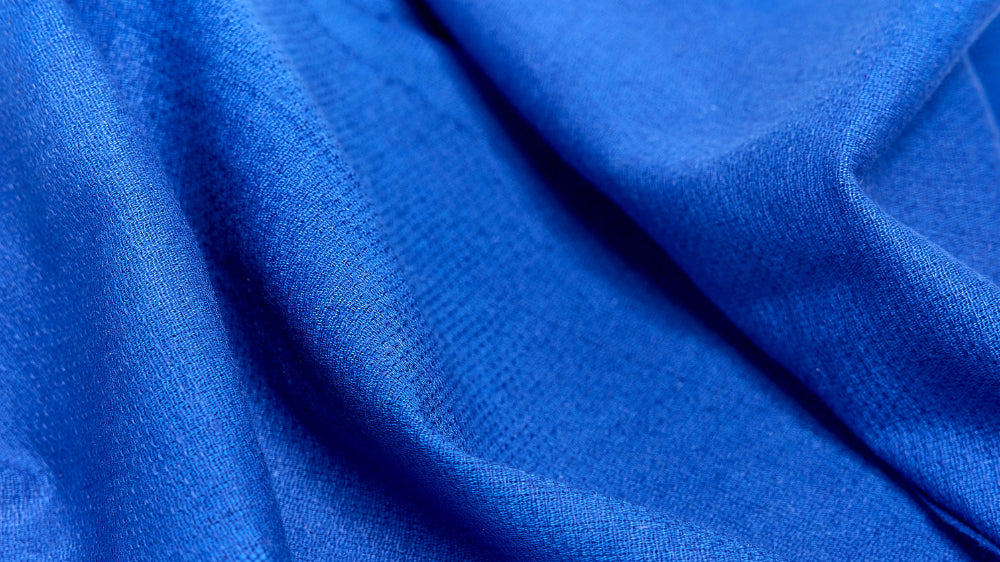
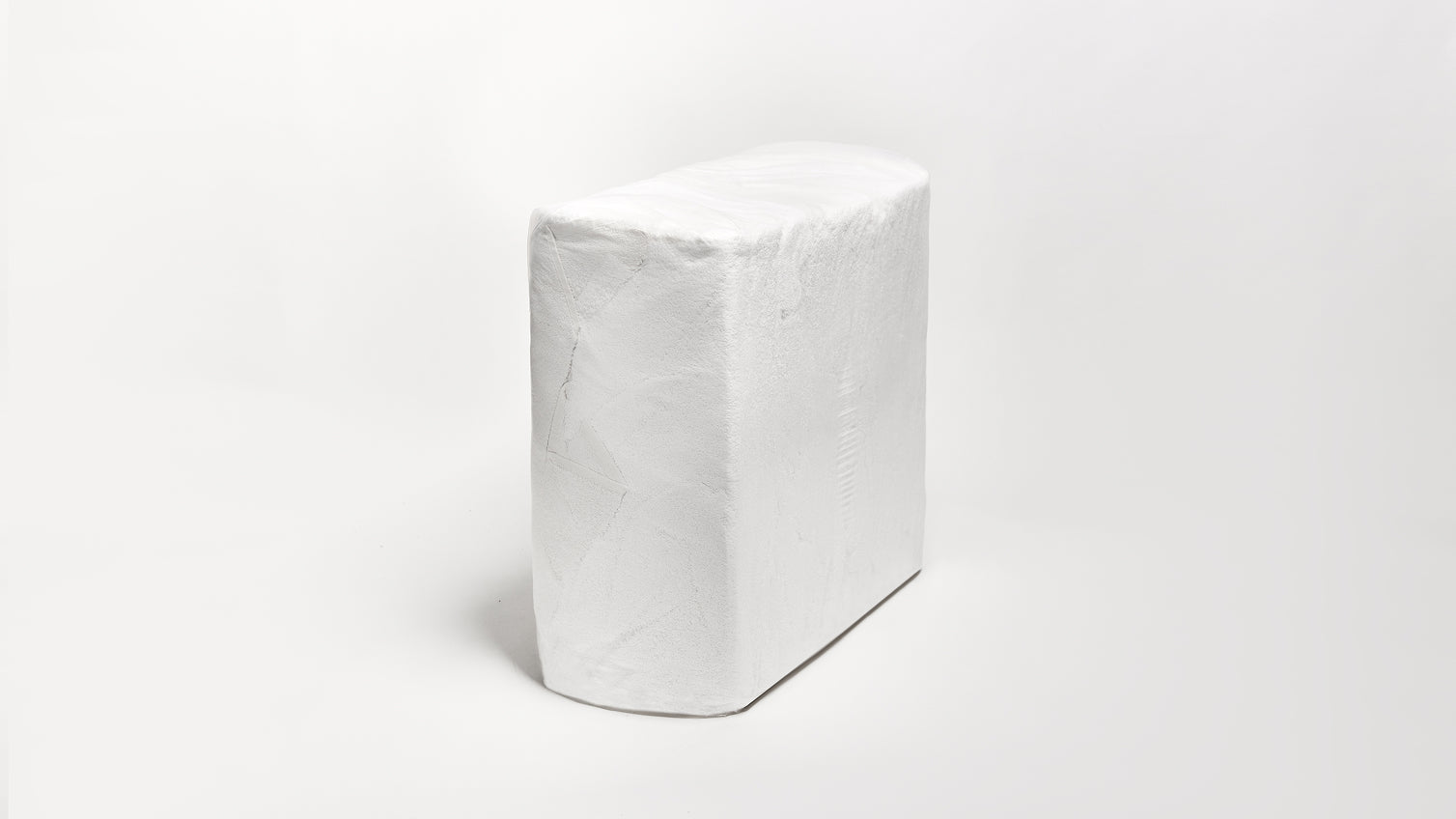
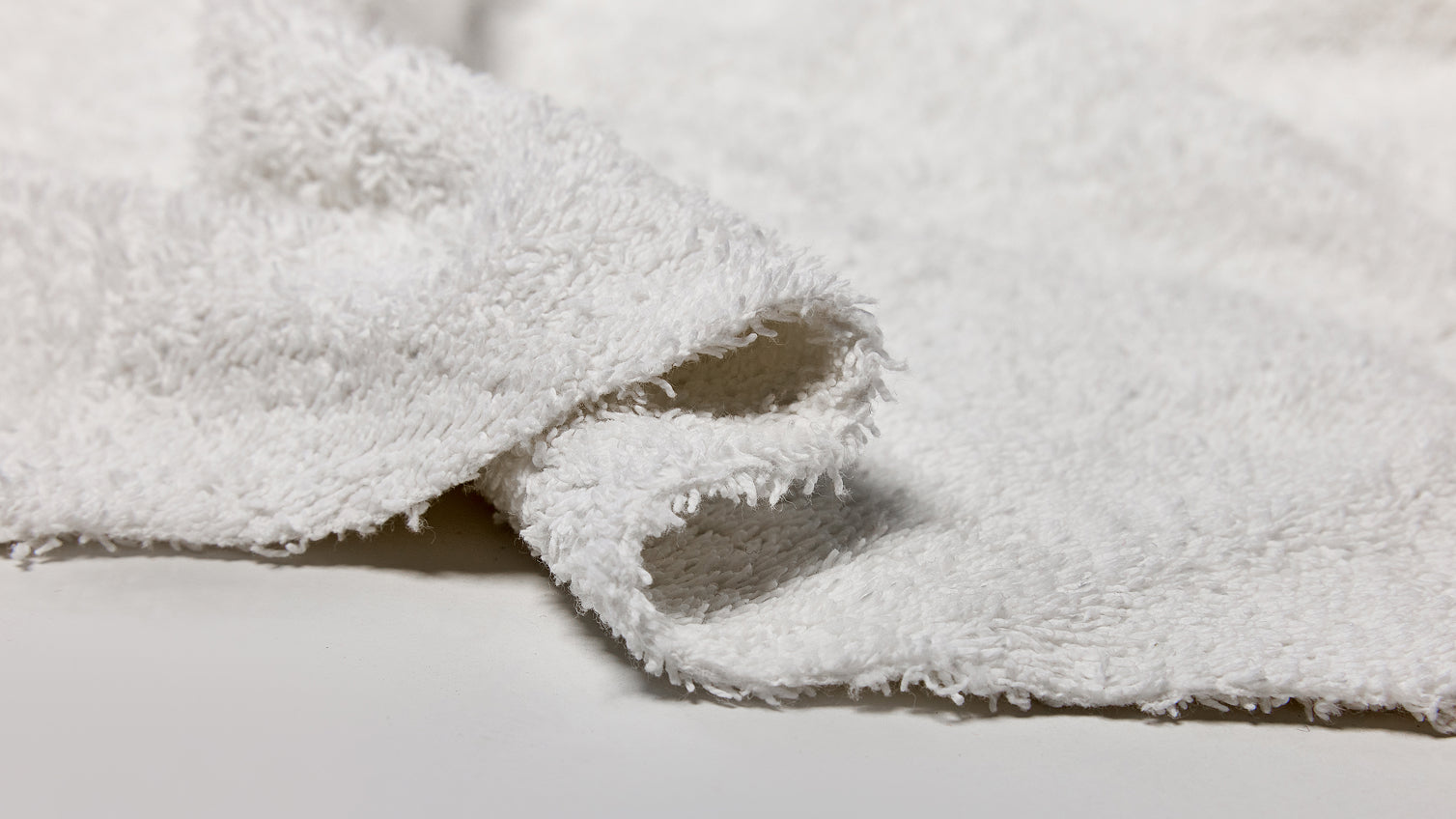
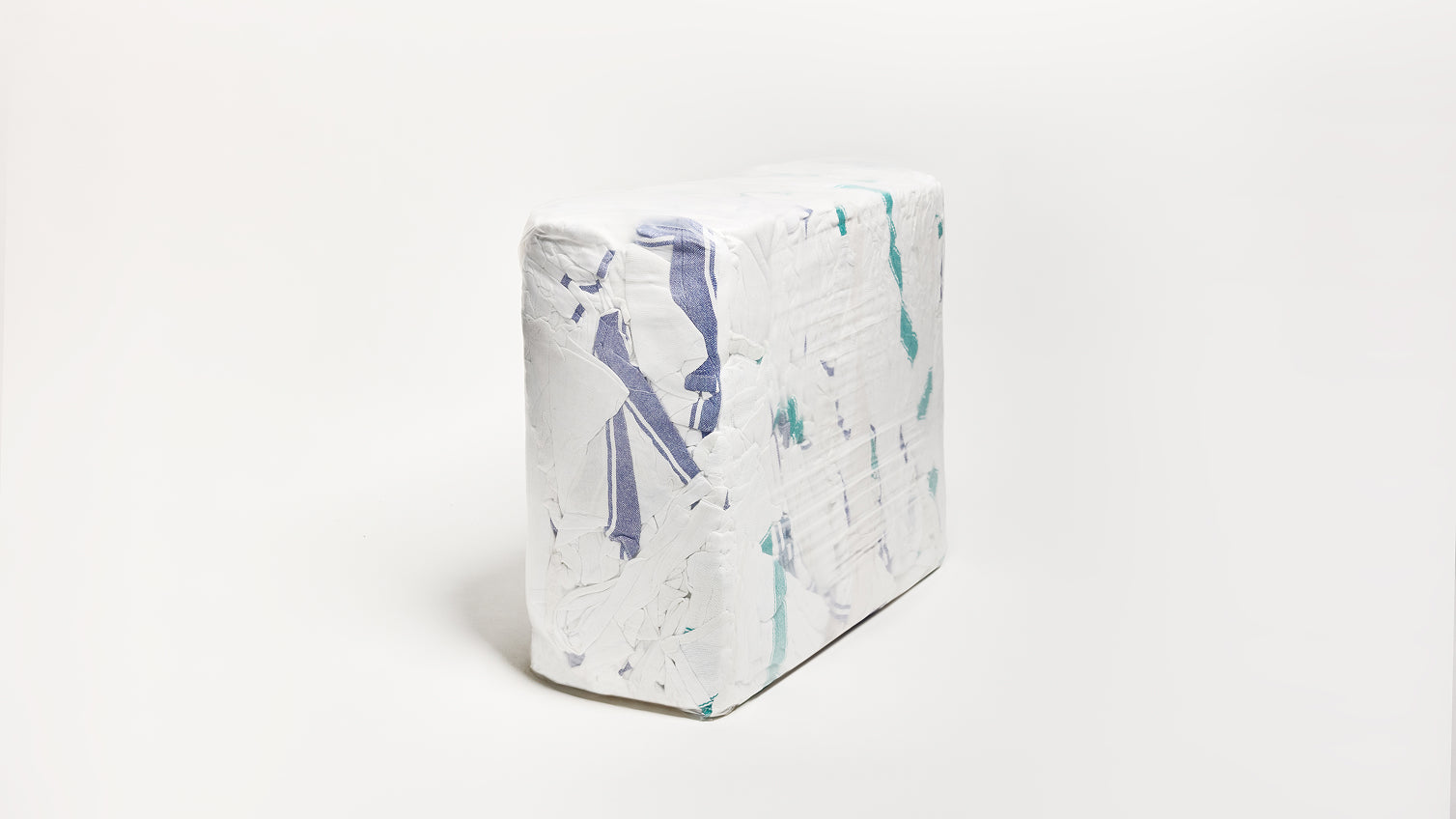
Not every job on a site wants the same cloth. Towel cloths give you the bulk absorbency for a proper oil spill or a machine bed that has been running all shift. Lint free linen is the one to reach for when the surface actually matters, a part fresh off the line, a painted panel, something going for inspection. Tea towels and cotton t-shirt cloths cover the lighter end, hand tools, general wipe downs, surfaces that do not need heavy lifting done on them. Stocking a mix rather than one catch-all rag means the right cloth actually gets used, instead of whatever happens to be nearest to hand.
Absorbency is where cheap cloths fall down fastest. Oil and grease want something that pulls fluid in rather than smearing it across the surface. Solvents make that worse if the cloth cannot hold up under saturation. A cloth that starts breaking apart mid wipe just adds loose fibres to whatever you are trying to clean. That is its own kind of contamination on a finished or machined surface, not a solution to it.
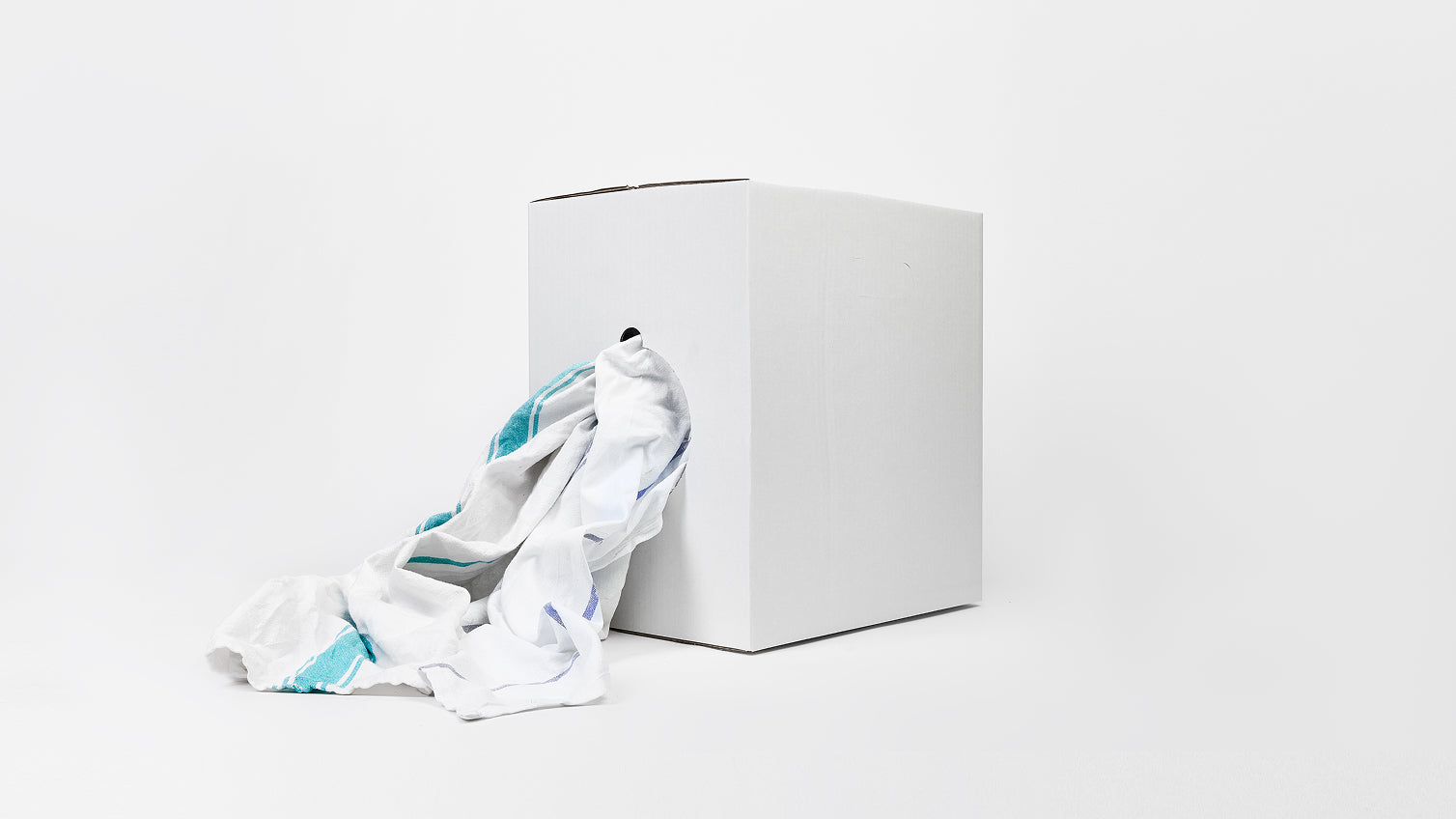
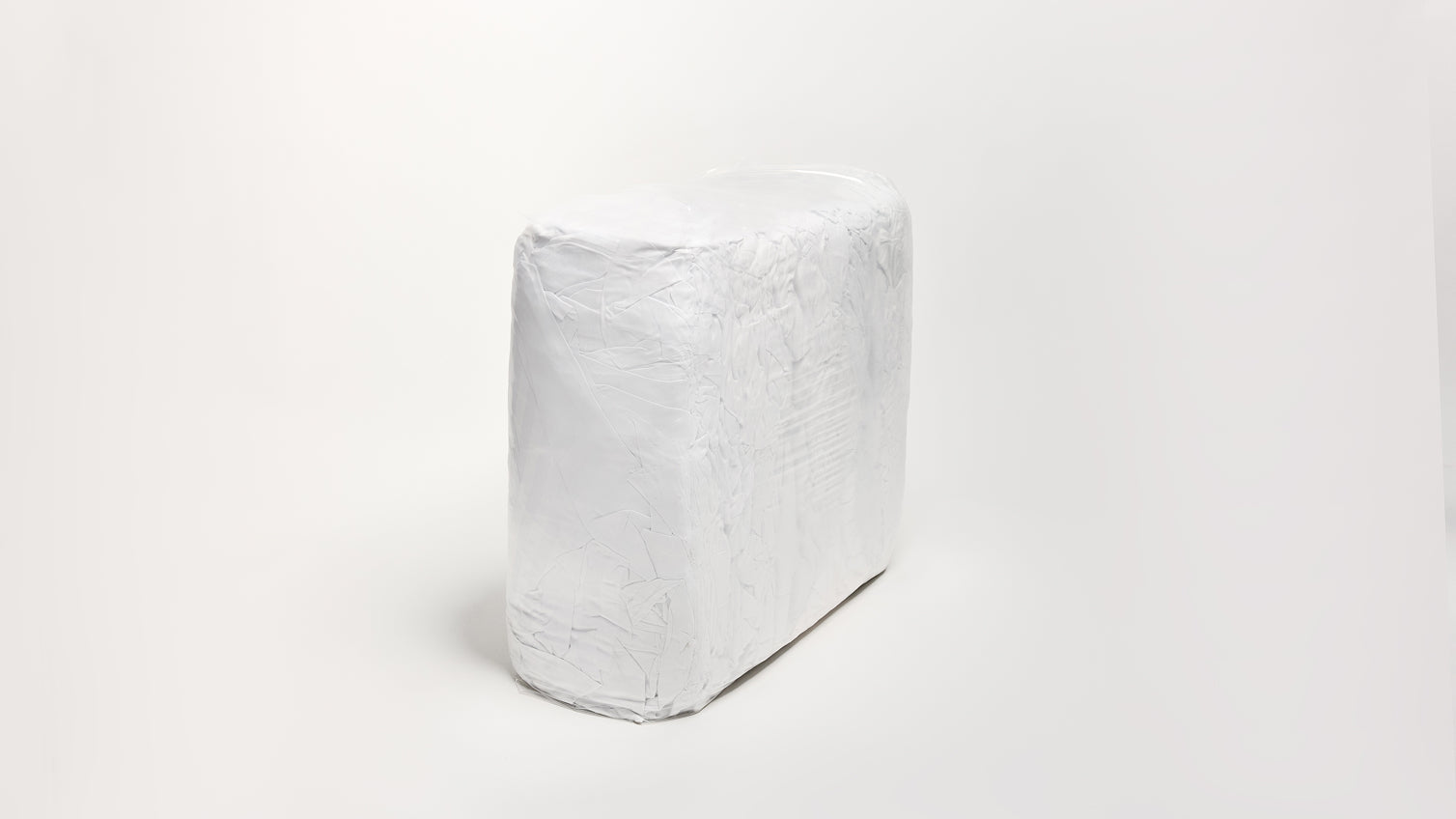
Bigger sites often run some version of colour coding, certain cloths kept for food areas away from anything used on machinery, general cleaning kept separate from whatever has touched chemicals. A mixed batch of rags, some washed properly, some not, makes that harder to police. Every cloth in a Red Rose bulk bag is washed and sterilised before despatch, so what comes out of an 8kg bag in month three matches what came out in month one. That consistency is part of how a site actually manages hygiene, not a nice to have.
FAQs
What cloths are best for oil and grease?
White Towel Cloths in 5kg or 8kg bags are the workhorse for oil and grease. They absorb well without falling apart under load. For a bigger spill or a machine that has been leaking for a while, go for the 8kg bag rather than trying to stretch a smaller one across the job.
Are recycled rags actually any good for industrial use?
Yes, provided they are properly processed rather than just sorted and rebagged. Every Red Rose cloth is 100% recycled textile, washed and sterilised before despatch. That processing is what determines whether a recycled rag performs like a proper industrial cloth or falls apart on first use. Recycled is about where the material comes from, not a compromise on how it performs.
Can you use the same cloths for spill response and general cleaning?
You can, but it is worth thinking about whether you want to. A cloth used to mop up a chemical spill has picked up whatever that spill was, so reaching for the same stock to wipe down a canteen surface afterwards is not ideal. Many sites keep towel cloths for spill and heavy oil work separate from the lighter cloths, tea towels or cotton t-shirt cloths, used for general janitorial tasks.
How much cleaning cloth stock do I need per site?
It depends on shift pattern and how much oil, grease or spill work the site actually generates, but most facilities managers order enough to cover a month at a time rather than topping up weekly. Bulk bags are weighed, not counted, so ordering by weight against your usual monthly usage keeps stock consistent without over-ordering.
Do these cloths work for wiping down machined or finished parts?
For that, reach for the White Lint Free Linen rather than the towel cloths. It is built for surfaces where a stray fibre or a scratch would actually matter. The towel cloths are better suited to heavier oil and grease work, where absorbency counts for more than surface finish.
What's the difference between the towel cloths and the lint free linen?
Towel cloths are built for absorbency, mopping up oil, grease and general spills where volume matters more than finish. Lint free linen carries less bulk and sheds less, meant for surfaces where a stray fibre is a genuine problem rather than a minor inconvenience. Neither wins across the board. It depends what you are putting the cloth up against.