

Proudly manufactured in the UK.

Free delivery over 60 units.

Built for professional use.
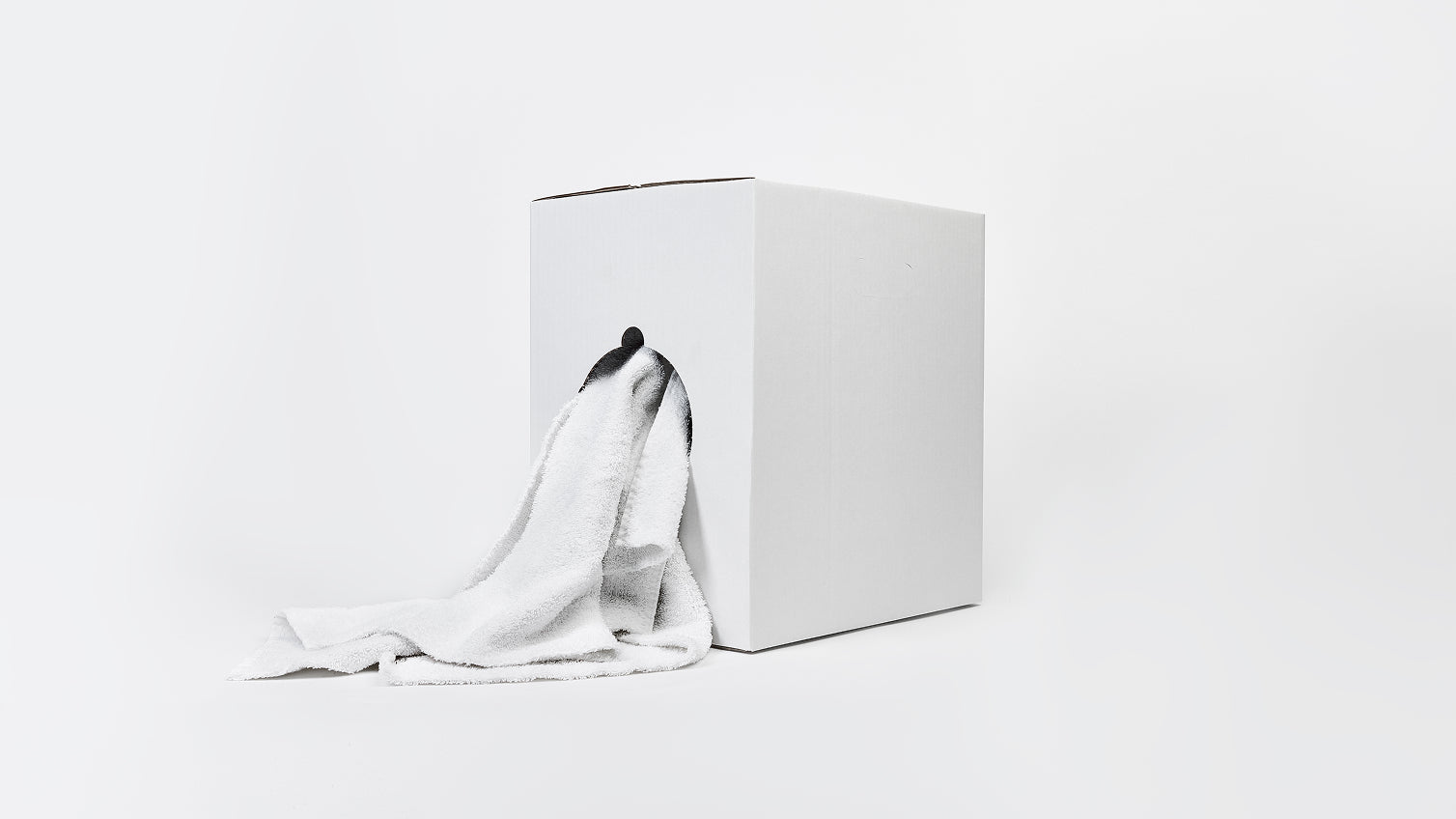

Cleans without leaving lint.
Proudly manufactured in the UK.
Free delivery over 60 units.
Built for professional use.
Choosing a cleaning cloth for a food production facility is a food safety decision, not a procurement one. A cloth that sheds fibres near open product creates a foreign body risk. That is a BRCGS non-conformance. HACCP plans and GMP procedures document contamination controls, and cleaning materials fall inside that boundary, not outside it. Allergen zoning is the other failure point: a cloth crossing from an allergen-containing line into a high-care zone carries whatever it picked up. Allergen cross-contamination via cleaning materials is an audited failure mode in UK food manufacturing. A cloth entering the facility unwashed is an uncontrolled microbiological introduction into an environment where every variable is supposed to be managed.
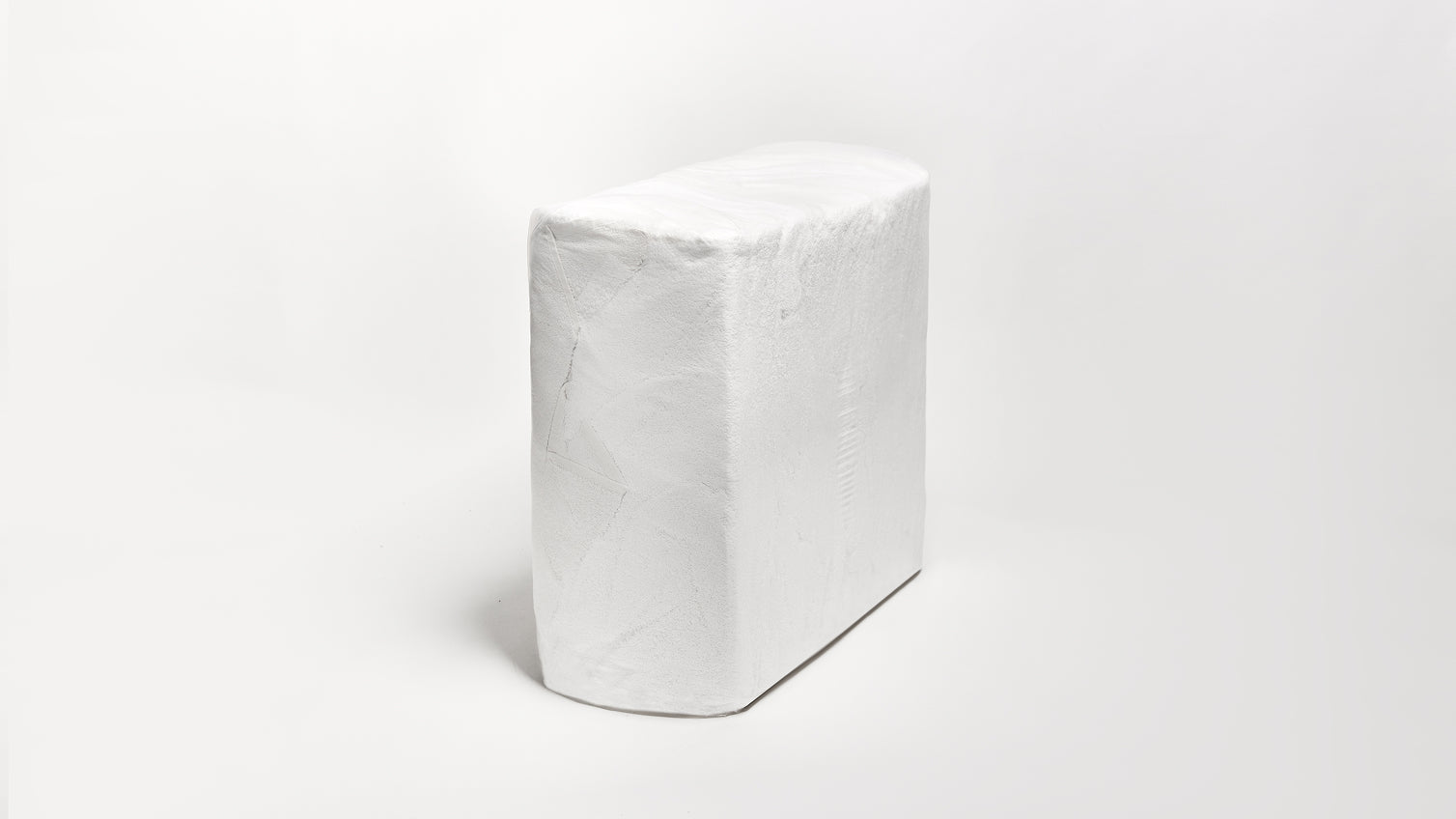
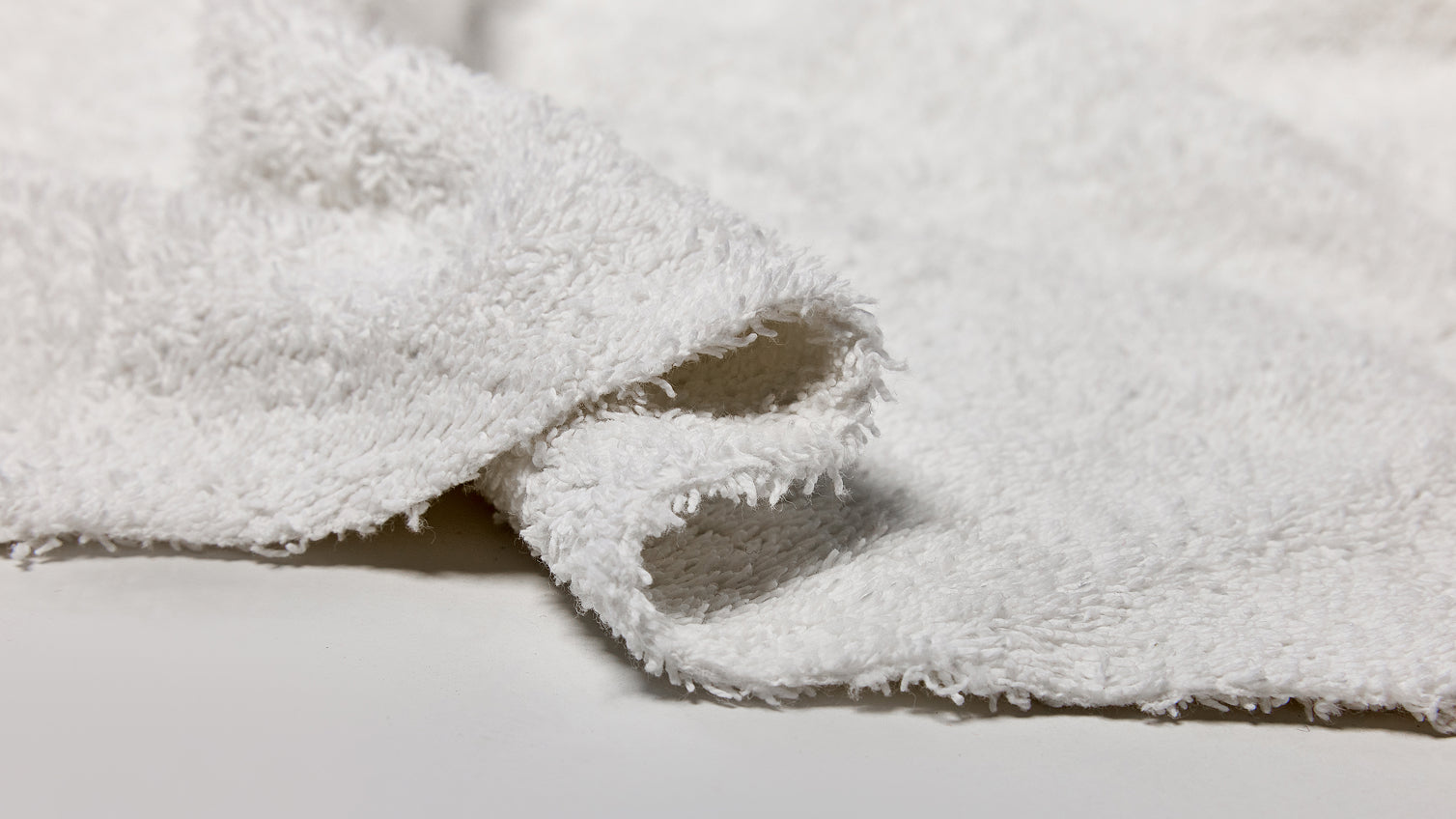
Red Rose has manufactured industrial cleaning cloths in the UK since 1958. Every cloth is pre-washed and sterilised before despatch, removing loose fibres and reducing microbiological load before the bag is opened on site. For food industry buyers managing BRCGS approved supplier lists, UK manufacture simplifies documentation. Batch quality is consistent order to order. Bulk bags in 5kg, 8kg and 10kg are suited to single-use allocation across allergen zones without the cost running away. Chemical resistance to hypochlorite and PAA means these lint-free cloths for food production hold up in wash-down environments without degrading. QAC sanitiser wipe-downs present no different challenge.
FAQs
Do these cloths create a foreign body risk near open food product areas?
Fibre shedding from a cleaning cloth near open product is classified as a foreign body risk in BRCGS and HACCP terms. The cloths in this range are pre-washed before despatch to remove loose fibres from the manufacturing process, which directly reduces that risk.
Are these cloths pre-washed and sterilised before despatch?
Every cloth arrives pre-washed and sterilised, which removes processing residues and loose fibres during manufacture rather than leaving that to the facility. That matters in food production because a cloth entering the environment without being washed first is an uncontrolled microbiological variable. Sterilisation removes the surface microbiological load.
How should these cloths be used in allergen-controlled production zones?
Allergen cross-contamination via cleaning cloths is a documented failure mode in UK food manufacturing and features in BRCGS audits specifically. Natasha's Law, which came into force in October 2021, tightened the legal requirements around allergen control for food businesses, and cleaning material management is part of that landscape. A cloth used in an allergen-containing zone must not cross into an allergen-free production area.
Are these cloths suitable for use in BRCGS-audited food facilities?
BRCGS Global Standard for Food Safety requires cleaning materials to be documented and allocated in line with site hygiene and allergen management procedures. Storage controls apply too. Red Rose cloths are UK-manufactured since 1958, which simplifies approved supplier documentation.
Batch quality is consistent across orders, which matters when cleaning materials appear on audit records and a variation between deliveries creates an unexplained gap. Supplier information for BRCGS approved supplier records is available on request.
Are these cloths compatible with hypochlorite, PAA and QAC food production sanitisers?
These cloths hold up to the sanitisers standard in food production wash-down: sodium hypochlorite and peracetic acid at in-use concentrations, as well as QAC-based sanitiser contact. The recycled linen and cotton construction does not degrade or shed additional fibres when wetted with these chemicals. For packaging line wipe-downs using MEK or acetone-based inkjet coder solvents, performance is the same.