

Proudly manufactured in the UK.

Free delivery over 60 units.

Built for professional use.

Proudly manufactured in the UK.
Free delivery over 60 units.
Built for professional use.


Cleans without leaving lint.
Proudly manufactured in the UK.
Free delivery over 60 units.
Built for professional use.


Fast, dependable service.
Free delivery over 60 units.
Cleans without leaving lint.
Built for professional use.

Made from recycled textiles.
Proudly manufactured in the UK.
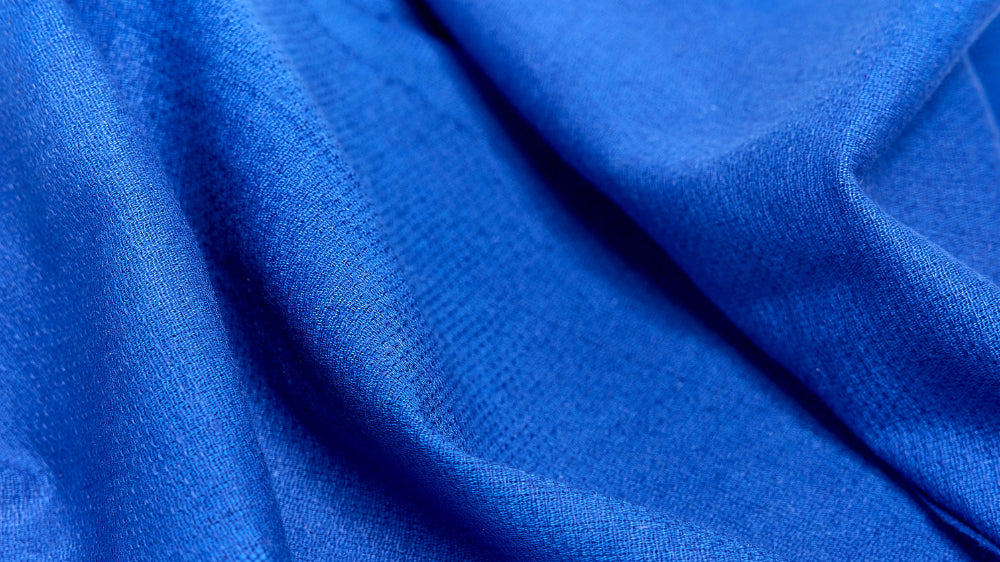
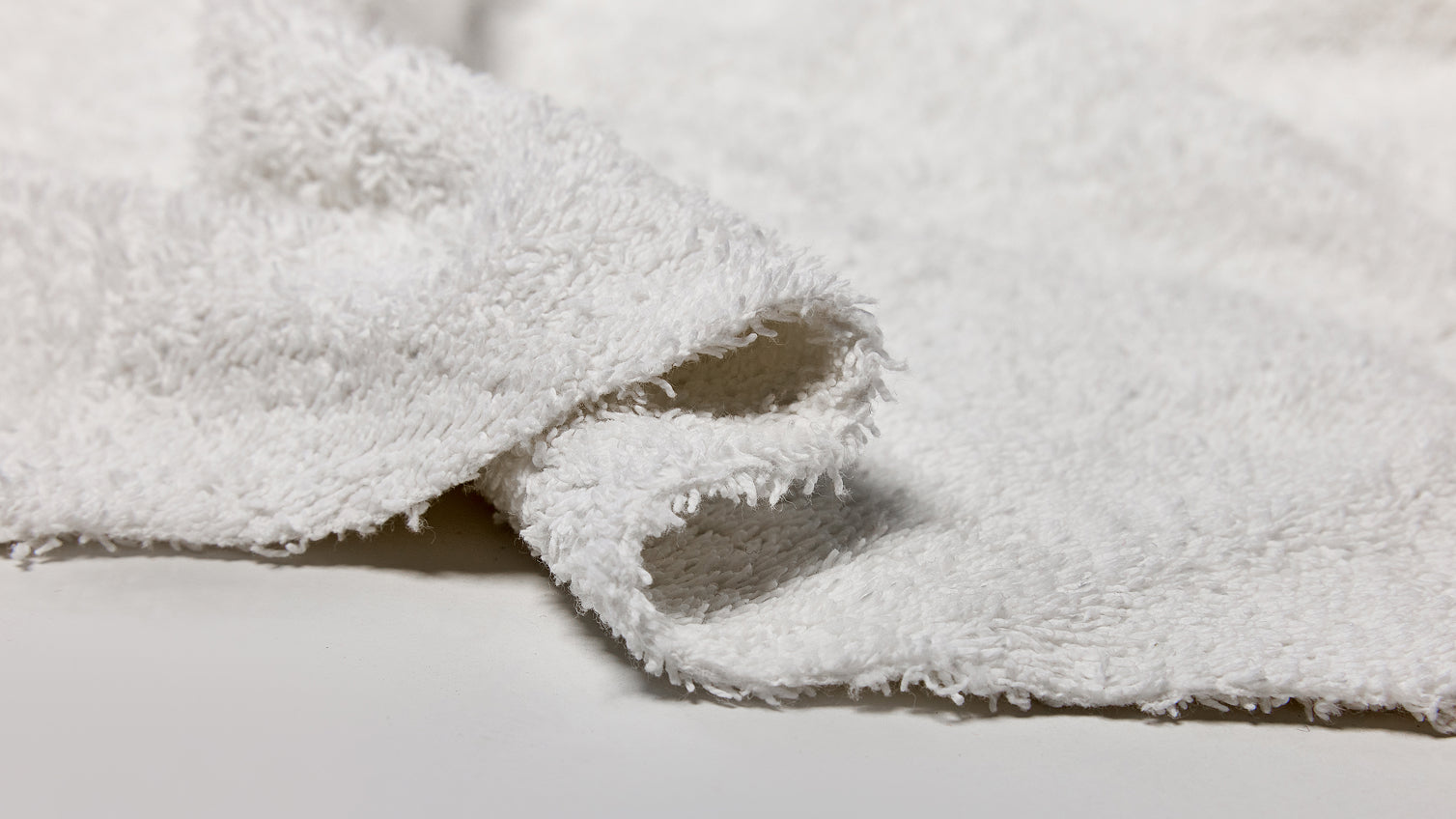
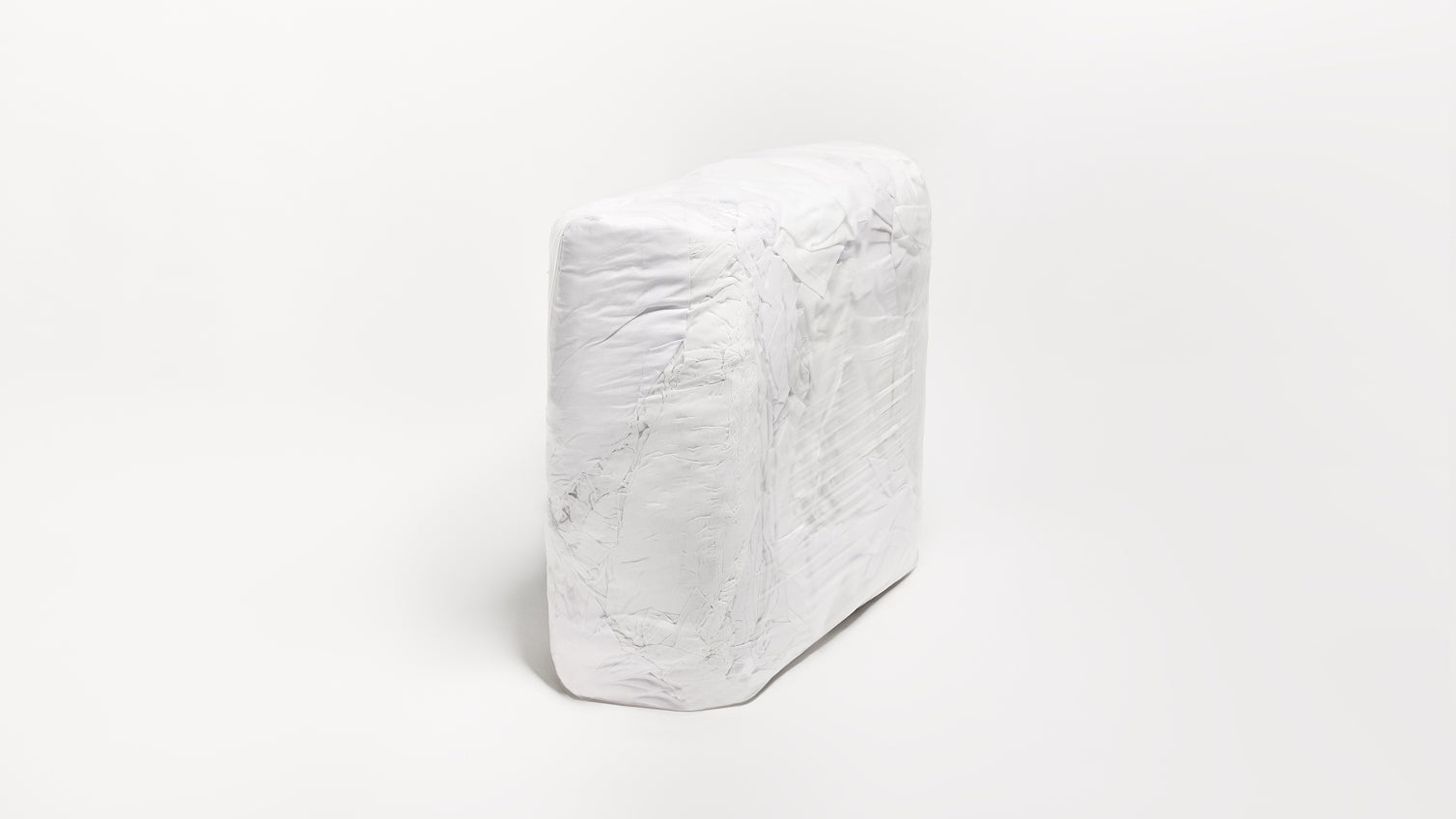
The cloth that is fine in an engine bay is not the one you want on the topsides. White Towel Cloths handle the oil and fuel absorbency an engine bay or bilge clean-out actually needs, built to soak up a real spill rather than smear it around. For gelcoat, brightwork and anything finished, White Cleaning Cloths are the better choice. A coloured cloth left damp against gelcoat can transfer dye, not a mistake you want to make on a hull that has just been polished. Mixed Coloured Cotton Cloths cover the general deck and workshop tasks in between, where absorbency matters more than what the cloth might leave behind.
Keeping engine room rags separate from the ones used on deck and brightwork is not just tidiness. It stops one job undoing the other. A rag that has been through the bilge carries diesel and oil residue that will smear straight onto gelcoat or varnish the moment it touches a clean surface. Most boatyards that keep running into repeat gelcoat marking can trace it back to exactly that, the wrong rag reaching for the wrong job because there was not a clean one to hand.
Oil and fuel-soaked rags are controlled waste, not something to bag with general rubbish. Most marinas and boatyards run a waste oil and rag collection through their own facility or a licensed contractor, and cloths contaminated with diesel or hydraulic fluid belong in that stream. Buying in bulk ahead of refit and winterisation season is worth planning for too. That is when consumable use spikes hardest, and running short on clean rags mid-strip-down slows a job down for no good reason. Every cloth in a Red Rose bulk bag is washed and sterilised before despatch, so a fresh 10kg bag performs the same in October as it did in April.
FAQs
What are the best rags for boat engines?
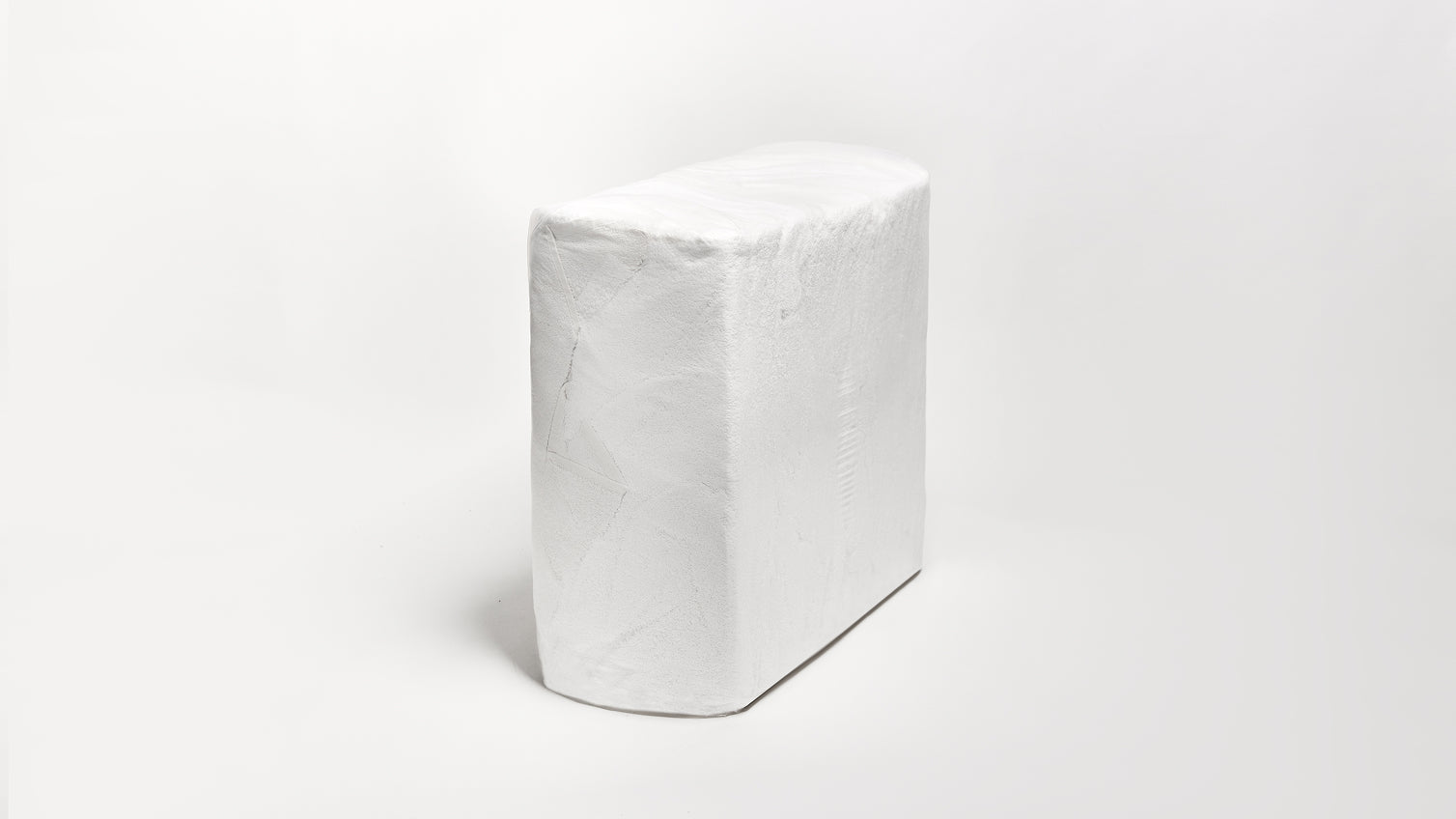
White Towel Cloths in 5kg or 8kg bags are built for it. Engine bay and bilge work means real oil and fuel volume, not a light wipe, so you want a cloth that actually absorbs rather than moves the mess around. Keep a bag dedicated to engine work rather than pulling from general stock. It saves the good cloths for jobs where a bit of oil residue does not matter.
What can I use on gelcoat without scratching it?
White Cleaning Cloths are the safer choice for gelcoat and brightwork. They will not transfer dye onto a white or light-coloured hull the way a coloured cloth can when damp, and the finish is soft enough not to add fine scratching over repeated polishing sessions. Avoid reaching for whatever rag is nearest if it has already been used on the engine or bilge. Grit and oil residue picked up there is exactly what marks gelcoat.
How do I dispose of oily rags safely?
Oil and fuel-contaminated rags should not go in general waste. Most marinas and boatyards have a waste oil and rag collection point, either through their own facility or a licensed contractor, and cloths that have been through the bilge or engine bay belong in that stream. Storing them in a sealed metal container before collection also reduces the fire risk that oil-soaked rags carry, worth taking seriously in a yard full of flammable materials.
Can I use the same cloths for the engine bay and the deck?
You can, but it is not a great habit to get into. A cloth that has picked up diesel or oil in the engine bay will carry that residue straight onto deck or brightwork the next time it is used, and gelcoat marks easily. Keeping engine room stock and deck or detailing stock as two separate bags, rather than one shared pile, avoids the problem entirely.
How much cleaning cloth stock should a boatyard keep in for refit season?
More than you think you will need, honestly. Refit and winterisation season is when consumable use spikes hardest across a yard, several boats stripped down and serviced at once, and running out of clean rags mid-job slows everything down. Ordering ahead in bulk rather than topping up week to week keeps a yard running through the busiest stretch of the year without a stock gap catching anyone out.
Do recycled cloths work for detailing brightwork and varnish?
Yes, provided they are properly processed rather than just sorted from used textile stock. Every Red Rose cloth is washed and sterilised before despatch, which is what determines whether a recycled cloth is soft and clean enough for brightwork or too rough and inconsistent to trust on a varnished surface. Recycled is about where the material comes from, not a step down in what it can be used for.