

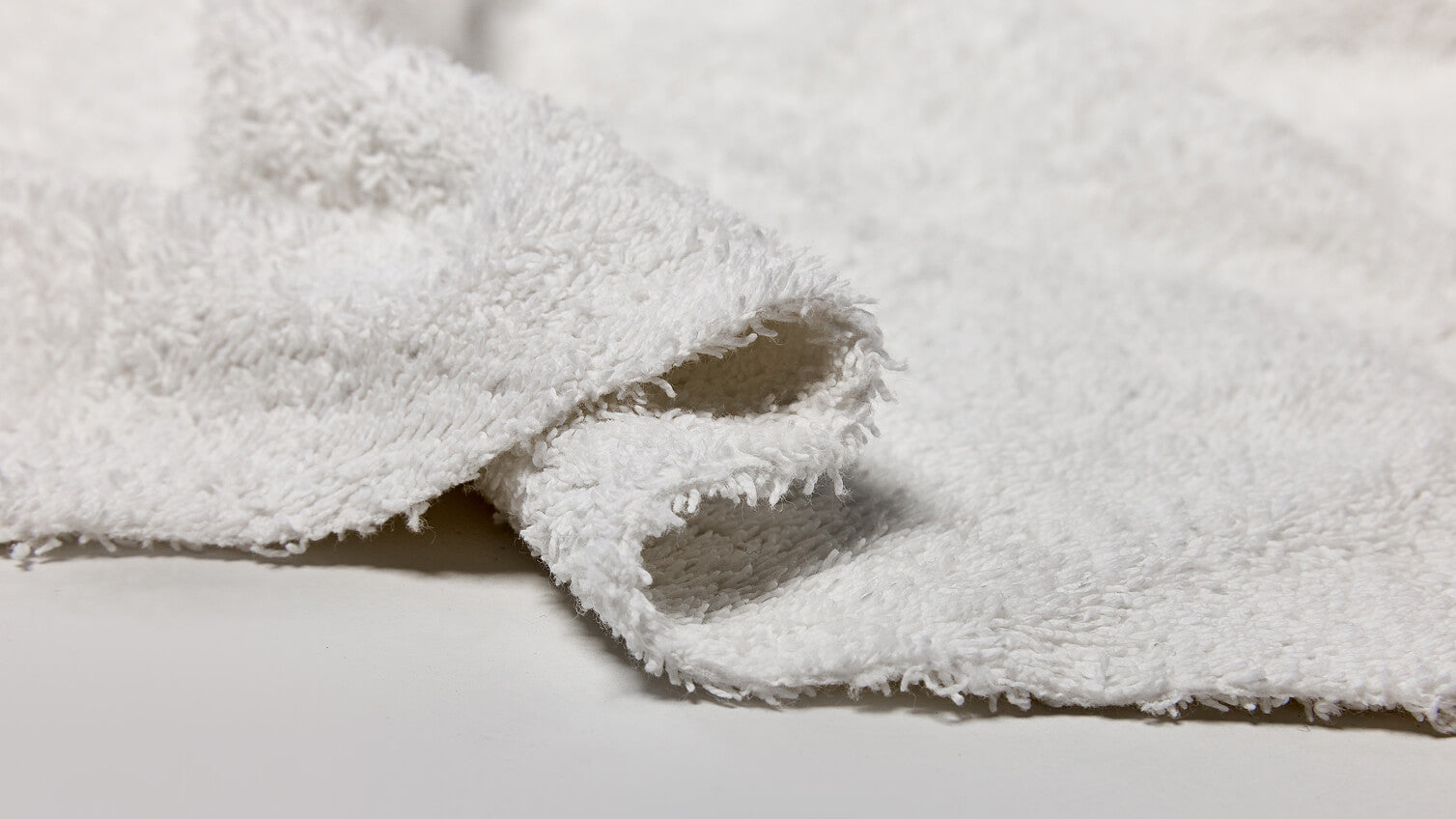
Disposable paper or synthetic wipes are convenient, but the cost adds up fast in a busy facility. If your team is getting through boxes of disposables every week, the spend is constant and the waste is considerable.
Reusable fabric wipes, bought in bulk and laundered between uses, tend to work out significantly cheaper over the course of a year, particularly for tasks where absorbency and surface compatibility are more important than single-use sterility. That said, there are applications where disposables make sense.
Anything involving hazardous chemical contamination, where used wipes need to be disposed of safely, is one. For most general workshop and maintenance tasks, reusable fabric wipes are the smarter choice.
Can industrial wipes be used in cleanroom or precision environments?
Standard cotton industrial wipes aren't suitable for cleanroom environments because they shed fibres. For precision and low-contamination settings, you need lint-free or low-lint wiping cloths, typically cut from linen, fine jersey cotton, or specific synthetic fabrics designed to minimise particle release.
If your facility has strict contamination controls (aerospace components, optical, electronics, pharmaceutical), check the lint rating and particle shedding data for any cloth before introducing it.
Red Rose's white lint-free linen and lint-free cleaning cloths range are worth looking at for these applications. Industrial Wipes by Sector Different facilities have different requirements, and it's worth thinking about this before you buy in bulk.
Aerospace and engineering: Component preparation and degreasing demand consistent, low-lint wipes. Contamination on machined surfaces or fasteners can cause real problems downstream. Roller towel & lint-free options are standard here.
Printing: Roller wiping and press maintenance need cloths that won't deposit fibres on plate or roller surfaces. A stray thread in the wrong place costs you a print run. Wiper cloths specifically cut for this purpose are well- established in the print trade.
Marine: Heavy-duty wiping for fuel systems, bilge areas, and engine maintenance. Absorbency and chemical resistance are the priorities. Thicker cotton wipes, including white wiper, handle the conditions well.
Glazing and window installation: Surface finish is everything. The wipe used for a final polish on glass or glazed panels needs to be lint-free and scratch-free. This is where fabric selection really earns its money.
Agriculture: General equipment maintenance and spillage management across a wide range of conditions. Durable, multi-purpose cotton wipes that can handle oils, fuels, and fertiliser residues without disintegrating.
How do I work out the right quantity of industrial wipes for my facility?
Start with your current consumption if you're switching from another supplier or from disposables. If you're new to buying fabric wipes, a useful rule of thumb is to calculate by the number of staff doing hands-on work and the frequency of tasks.
A small engineering workshop with five technicians typically gets through 8 to 10kg of wiper cloths per month. Larger facilities with continuous production may need 30kg or more per week. Buying in bulk reduces the per-cloth cost and means you're not scrambling for stock mid-shift.
Cloth Types Used as Industrial Wipes
At Red Rose, several products serve directly as industrial wipes depending on the application:
White cotton T-Shirts are cut from fine jersey cotton and are one of the most versatile all-round wiping cloths in the range. Soft, consistent, and suitable for a wide range of tasks. White lint free linen 10kg are a step up in absorbency and work well where you need a bit more material behind the wipe.
Roller Towels are one of the strongest low-lint options in the range, built for heavy-duty tasks that need real durability. If you're after wiping cloths for applications where surface contamination is a concern, it's also worth reading about recycled rags and wipers for general maintenance tasks where cost efficiency and sustainability matter.
How to Pick the Right Industrial Cleaning Cloths for Your Operation
Why Recycled Textile Cloths Are Softer and More Efficient Than New Fabrics