

Proudly manufactured in the UK.

Free delivery over 60 units.

Built for professional use.

Made from recycled textiles.
Proudly manufactured in the UK.
Built for professional use.

Fast, dependable service.
Free delivery over 60 units.
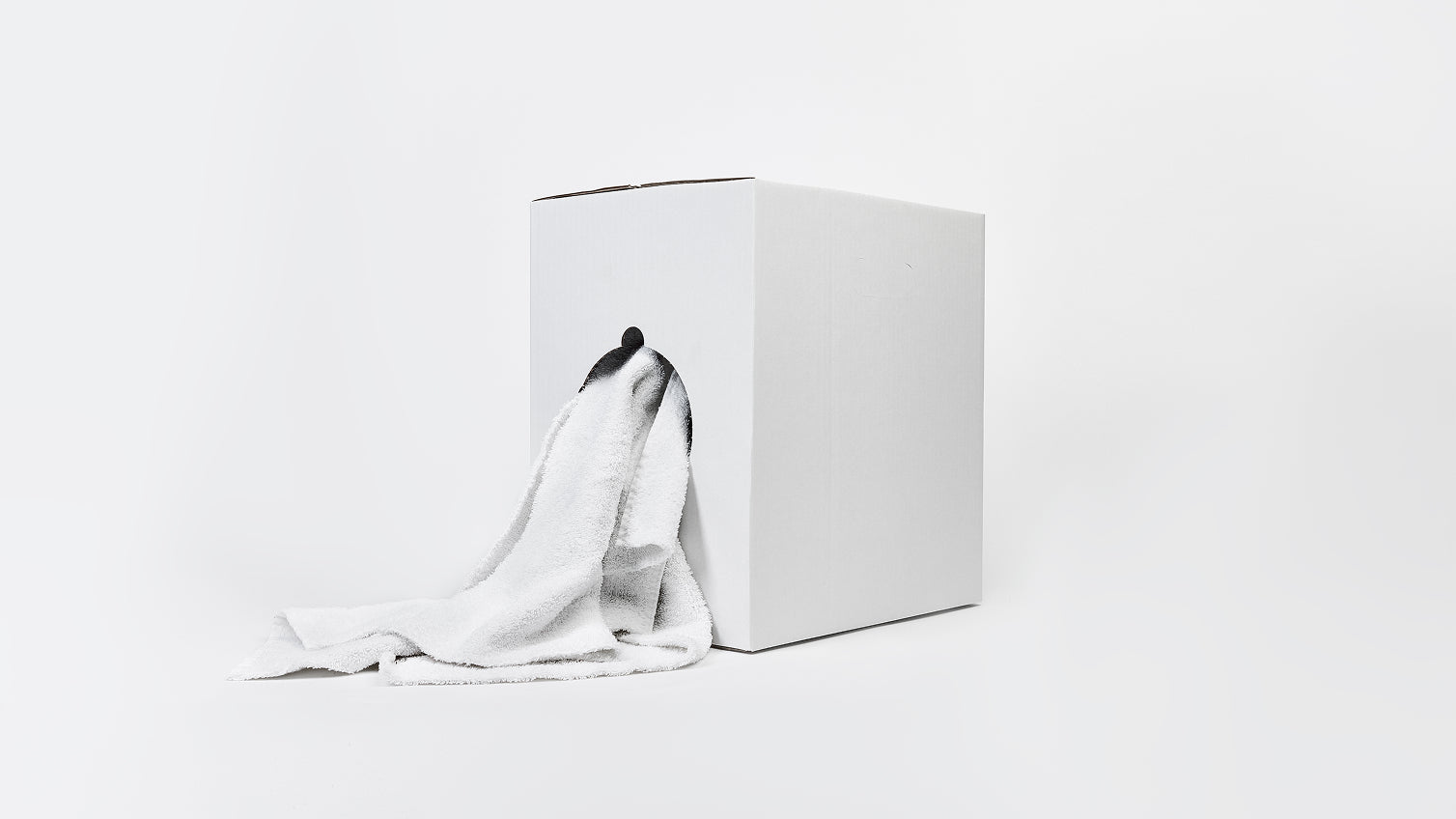

Cleans without leaving lint.
Proudly manufactured in the UK.
Free delivery over 60 units.
Built for professional use.
Proudly manufactured in the UK.
Built for professional use.
Free delivery over 60 units.
Hydraulic fluid does not clean up the way surface dirt does. It clings. It works its way into stitching and loose fibres far more readily than water or general grime ever would. And it carries whatever it has picked up on the way through the system, metal fines, degraded seal material, maybe a trace of glycol if the circuit's mixed. Wipe a manifold or a pump housing with the wrong cloth and you have not removed that contamination. You have just moved it onto the next component you touch.
On closed loop systems the stakes are higher again. A fibre that comes off during a flush or a filter change does not get swept up and binned. It goes into the fluid path, and it can sit there until it lodges somewhere expensive: a valve seat, a heat exchanger plate, a pump seal. That is the real argument for a low-lint cloth on this kind of work. It is not really about tidiness. It is about not creating the next fault while you are fixing the current one.
Consistency matters more than most people budgeting for consumables expect. A bag of rags that varies batch to batch, some washed properly, some not, some shedding more than others, is a false economy on hydraulic work. Every cloth in a Red Rose bulk bag is washed and sterilised before despatch, so the cloth on top of a fresh 8kg bag performs the same as the one at the bottom. For plant teams buying in volume, that consistency is the point, not an afterthought.
FAQs
Will these cloths leave lint in hydraulic systems?
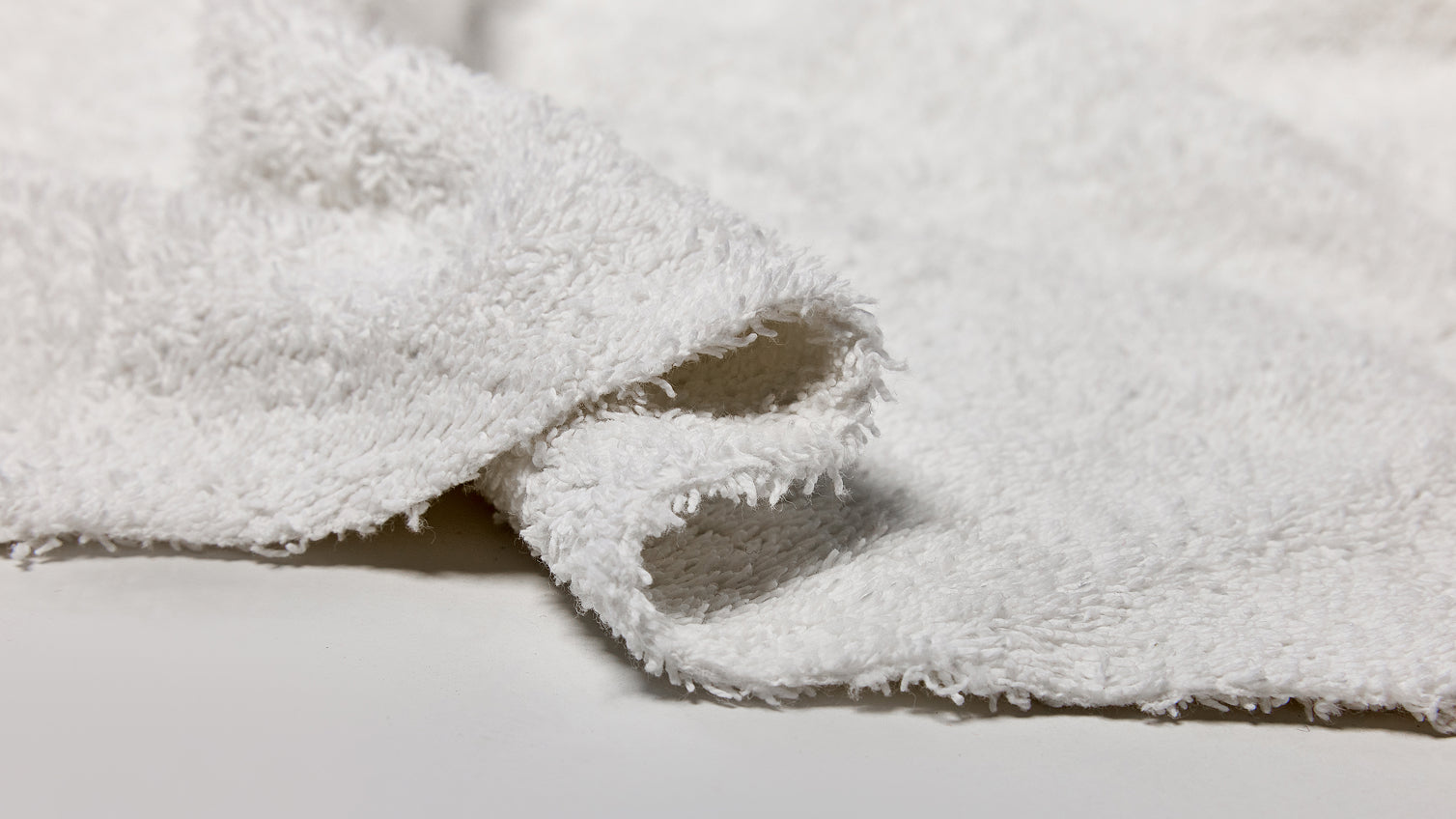
Not in normal use. The towel and sweatshirt cloths in this range are washed before despatch specifically to remove the loose threads that cause lint contamination, which is the main reason they get specified for pump, valve and manifold work rather than standard workshop rags.
On the tightest tolerance components, injection valves and precision seals, take cloths from a sealed bag rather than one that has been sitting open in the workshop, and wipe away from apertures rather than across them.
What's the best cloth for wiping down hydraulic oil and grease?
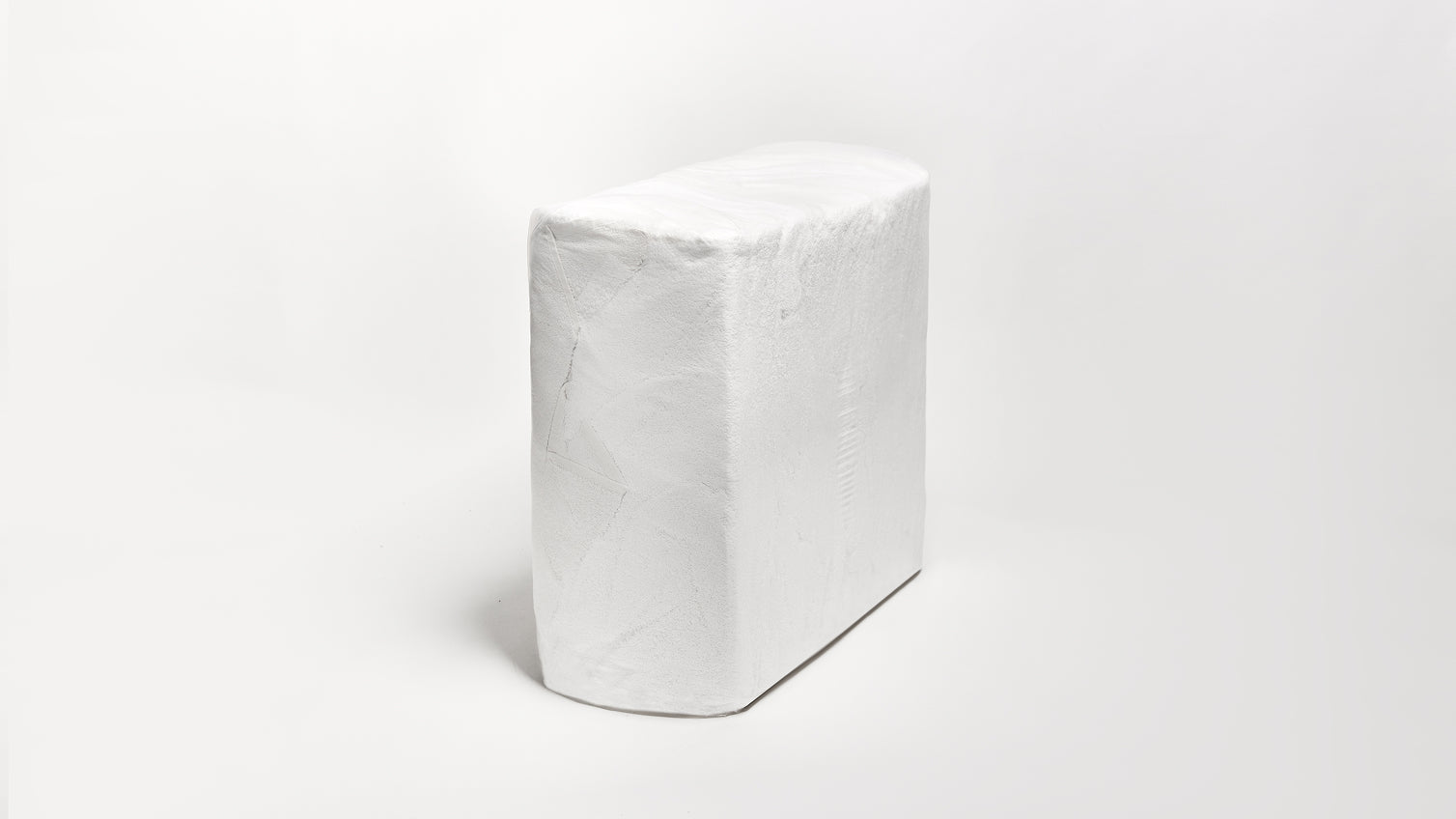
For general hydraulic oil and grease work, the White Towel Cloths in 5kg or 8kg bags give the absorbency you need without the cloth falling apart under load. Sweatshirt Cloths in 10kg bags hold more fluid for heavier jobs, tank clean-outs or larger spill wipe-downs, where you are working through volume rather than doing a quick wipe.
Both absorb rather than smear, so the oil actually lifts off the component instead of getting pushed around.
Can these rags be used for flushing and servicing pipework?
Yes. Engineers use them across pipe, boiler and pump servicing, checking flush water clarity, wiping down fittings before reassembly, catching residue mid strip-down on a valve. Different jobs, same cloth.
Every one of them is washed and sterilised before it leaves us. You are not introducing a new contamination source into a system you have just spent an hour flushing clean.
How do I know the cloths are actually clean before use?
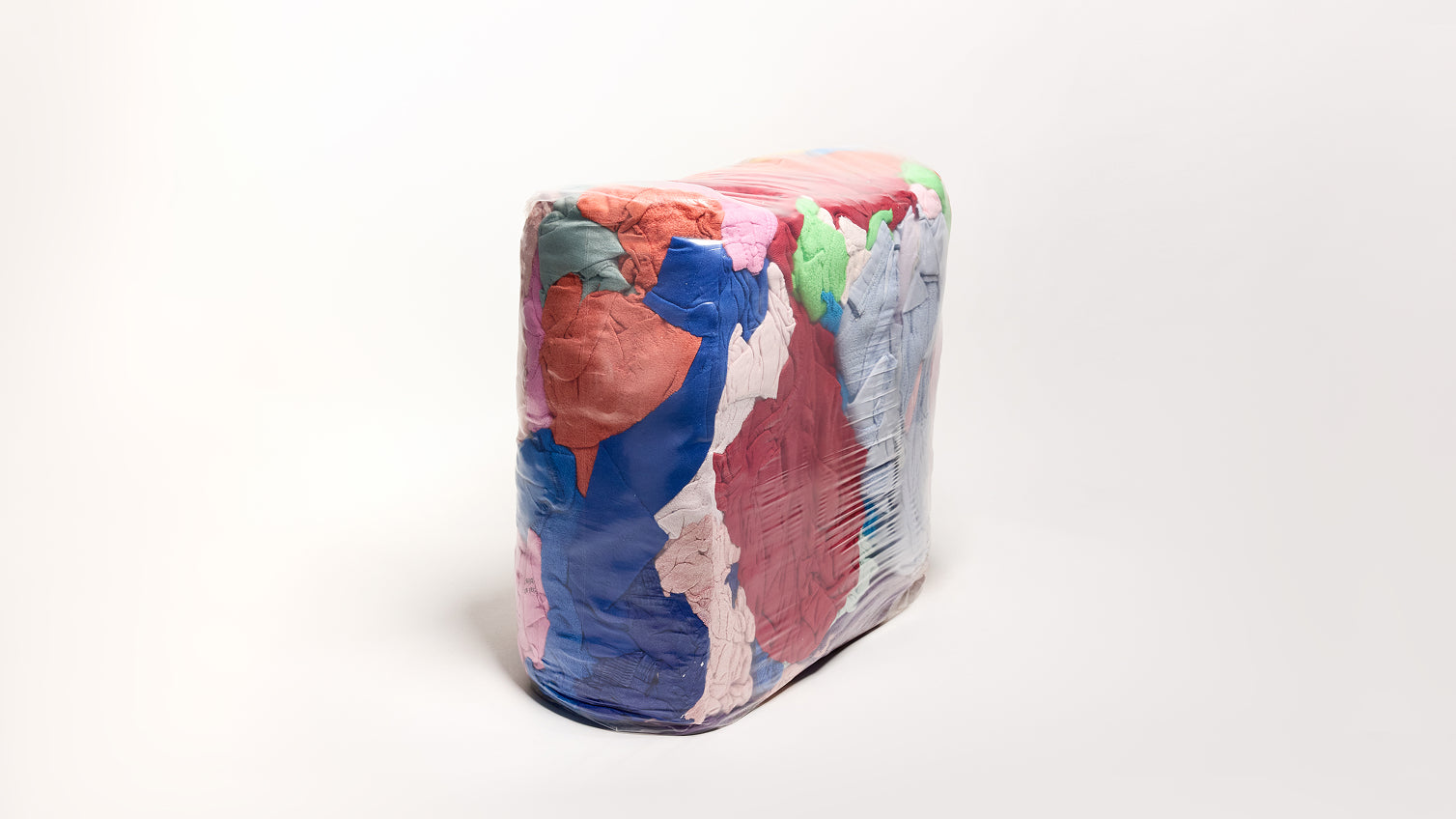
Every cloth is washed and sterilised before despatch, not just sorted and bagged from used textile stock. That is standard across the whole range, White Towel, Sweatshirt and Coloured Towel cloths alike, so a bag opened on site performs the same as the one before it.
For hydraulic work specifically, that consistency matters more than it does on general workshop cleaning, because a variable batch is a variable contamination risk.
What sizes do the bulk bags come in?
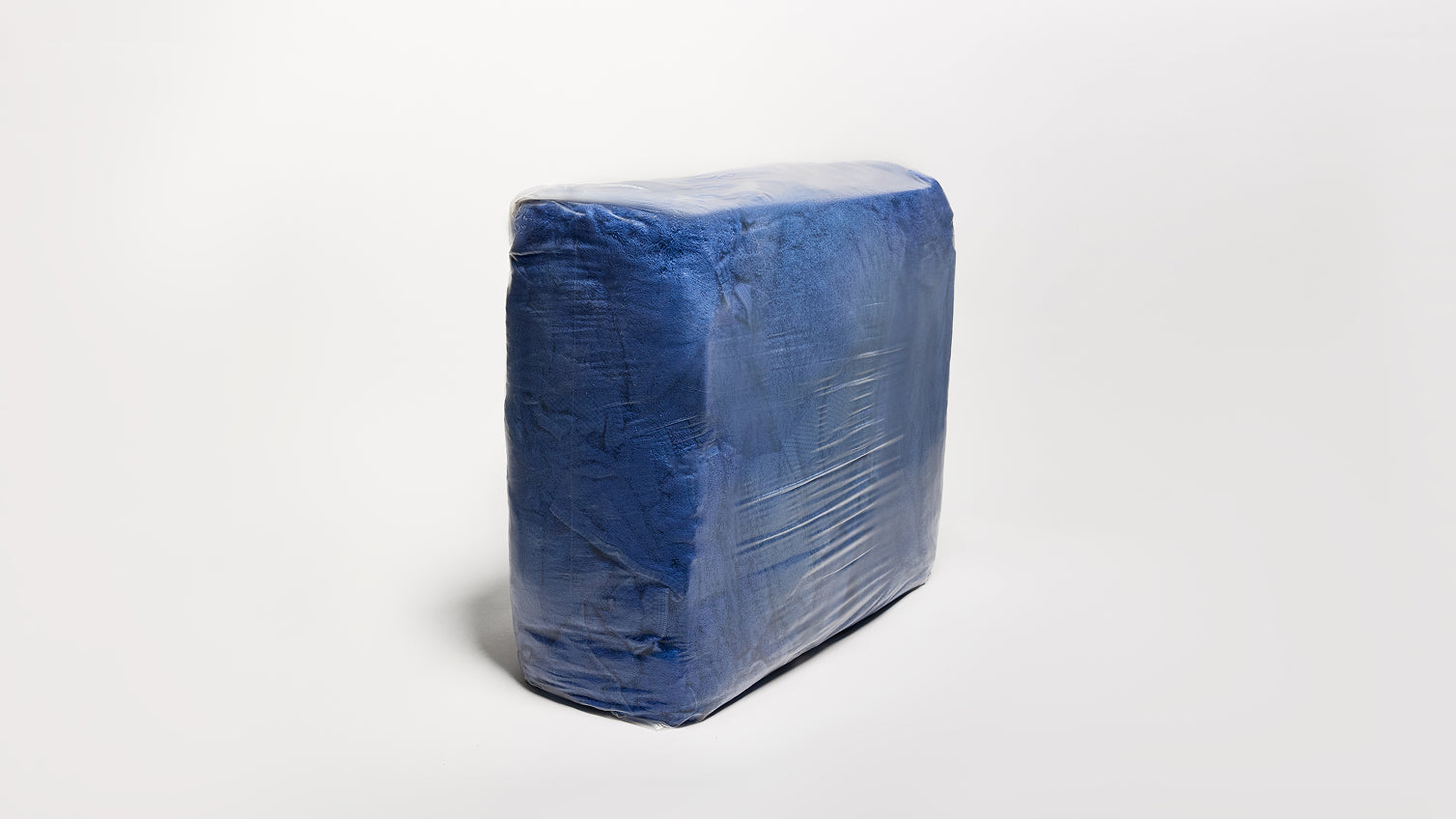
White Towel Cloths come in 5kg and 8kg bags, Sweatshirt Cloths in 10kg bags, and Coloured Towel Cloths in 8kg bags. All bags are weighed rather than counted, so you get a consistent amount of material per order regardless of individual cloth size.
Is there a minimum order for free delivery?
Orders over 60 units qualify for free delivery. For procurement teams buying across multiple sites or stocking up ahead of a planned shutdown or service window, it is worth ordering in that volume rather than topping up smaller amounts more often, both for the delivery saving and to avoid running short mid-job.