

Not all industrial cleaning cloths are built the same, and if you've ever grabbed a bag of rags that shredded on first use or left residue on a surface you'd just cleaned, you'll know that better than most.
Choosing the right cloth for the job is one of those things that sounds straightforward but actually makes a real difference to efficiency, surface quality, and your overall spend. So let's break it down properly. Here's what actually matters when you're buying industrial cleaning cloths for a workshop, production line, or facility.
What are industrial cleaning cloths made from?
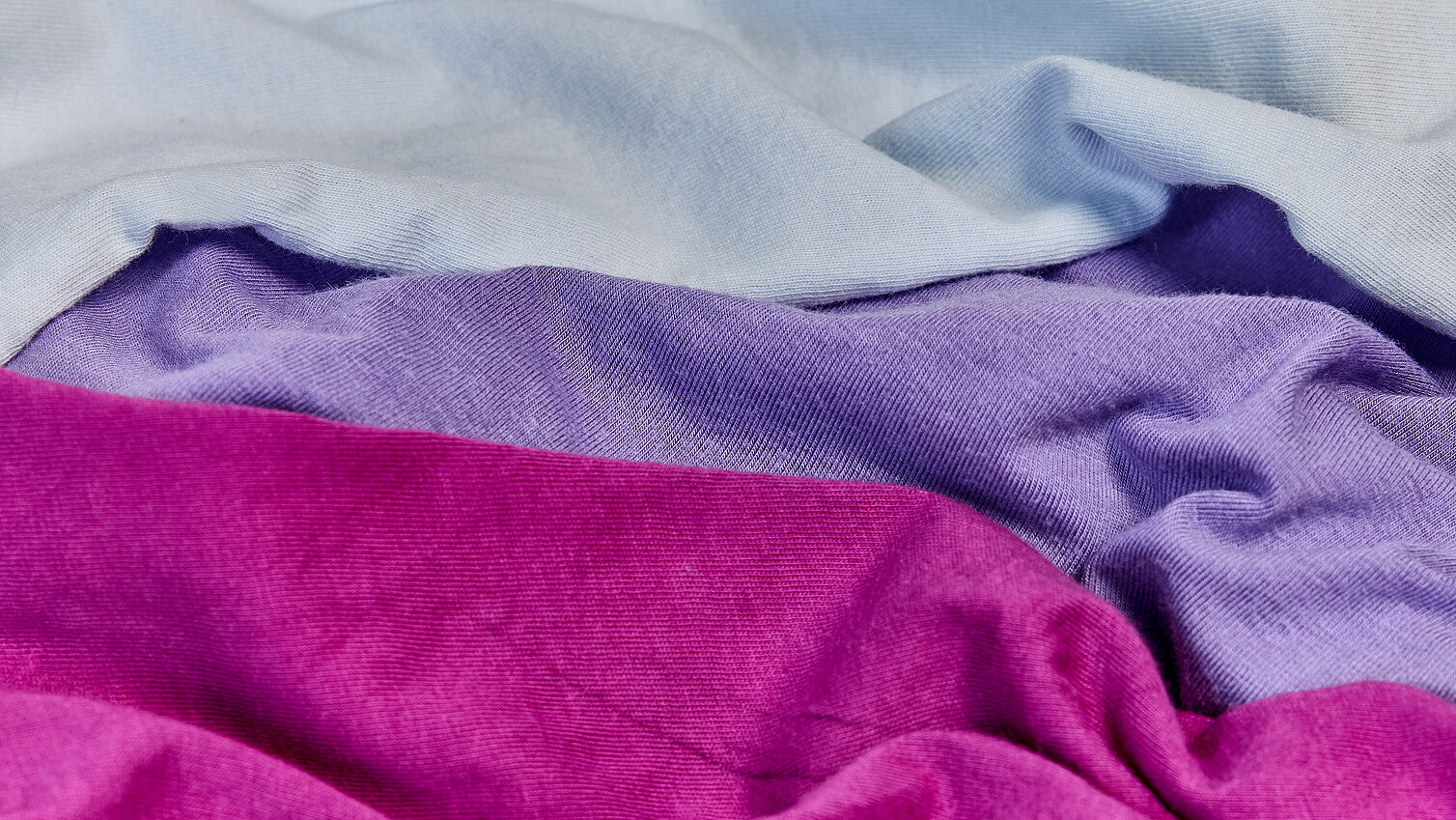
Most industrial cleaning cloths are made from recycled cotton, typically recovered from garments like T- shirts, sweatshirts, and towelling. The fabric is sorted, graded, and cut down to a usable size. Higher-grade cloths, particularly lint-free options, come from finer-weave fabrics like linen or jersey cotton. Some cloths are synthetic or blended, though cotton remains the most popular choice for general industrial use because it's absorbent, tough, and compatible with most solvents and cleaning agents.
Material Matters More Than You Think Cotton is the default for good reason. It absorbs well, it handles solvents without breaking down, and it's generally gentle enough on most surfaces. But within cotton there's a spectrum. A sweatshirt cloth, cut from heavyweight fleece, is a lot thicker and more absorbent than a T-shirt cloth. Towelling is heavier still and excellent for spillage control. Wiper cloths, cut from finer jersey cotton, are softer and better for surface work where you don't want to leave marks.
For anything where fibre residue is a problem, glazing, printing, aerospace components, optical work, you need lint-free or low-lint options. Standard cotton cloths shed. Lint-free linen or specific low-lint cotton grades don't. It's worth matching the cloth to the task rather than using one cloth for everything, which is what a lot of businesses end up doing out of habit.
Are cotton cleaning cloths safe for food production environments?
Cotton cleaning cloths are widely used in food production facilities, but the key consideration is colour coding. Using separate cloths for different areas (raw food prep, packaging, equipment cleaning) prevents cross-contamination. White cloths are often preferred in food environments because any contamination is visible. Coloured cloths are good for non-food cleaning tasks.
Always check your HACCP plan and any relevant food safety standards for your specific setting, and make sure cloths are stored clean and dry when not in use.
Matching Cloths to Sectors Different
industries have different priorities, and the right cloth for an engineering workshop isn't necessarily the right one for a printing house or a food facility.
Engineering and manufacturing: Absorbency and durability are the main requirements. Heavy-duty cloths that handle oils, cutting fluids, and coolants without falling apart mid-task. Coloured cotton cloths or sweatshirt cloths work well here.
Food processing and agriculture: White towel cloths for visibility, plus resistance to food-safe detergents. Tea towels and white towels are popular in these environments.
Printing: Low-lint is essential. Ink residue and lint on press rollers or plates cause print quality issues fast. Wiper cloths or lint-free grades are the go-to.
Glazing and automotive: Surface finish is everything. Soft, lint-free cloths that won't scratch or leave streaks. White lint free linen and are the standard choice.
Marine and industrial cleaning: High-absorbency cloths that cope with heavy-duty grime, fuel, and cleaning chemicals. White wiper are built for this kind of work.
How many cleaning cloths does a typical workshop need?
It depends heavily on the size of the operation and the tasks involved, but most small-to-medium workshops find that buying in 10kg bag quantities keeps stock levels manageable. For larger facilities, bulk orders of 100kg or more are cost-effective and reduce the frequency of reorders.
A simple way to calculate your usage is to track how quickly your current stock depletes over a typical two-week period, then order accordingly to keep a buffer. Red Rose sells in bulk from 5kg upwards, so you're not locked into excessive minimum orders. Weight, Cut, and Consistency.
When cloths are graded by weight (sold in kilograms), heavier bags aren't always better. A 10kg bag of thin T-shirt cloths will contain many more individual cloths than a 10kg bag of thick towelling.
Think about what you actually need: volume of cloths, or depth of material per cloth. For tasks like wiping down machinery, more cloths at a lighter weight is usually preferable. For absorbing large spillages, fewer but heavier cloths make more sense.
Consistency matters too. Supplier-graded cloths from a manufacturer like Red Rose are sorted and cut to a consistent standard, which means fewer surprises than buying mixed bags from general waste streams. If your team relies on cloths that are roughly the same size and weight, it's worth paying a little more for a graded product.
Buying in Bulk from a UK Supplier
The main practical advantage of buying from a UK manufacturer is lead times. You're not waiting on container shipments from overseas. Red Rose operates from the UK which means stock replenishment is predictable and doesn't require you to hold six months' worth of cloths in a storeroom.
If you're weighing up lint-free cleaning cloths for precision work, or need to look at recycled rags and wipers as a more sustainable option for general tasks, both are worth exploring alongside standard cleaning cloths. The right mix will depend on what your operation actually demands.


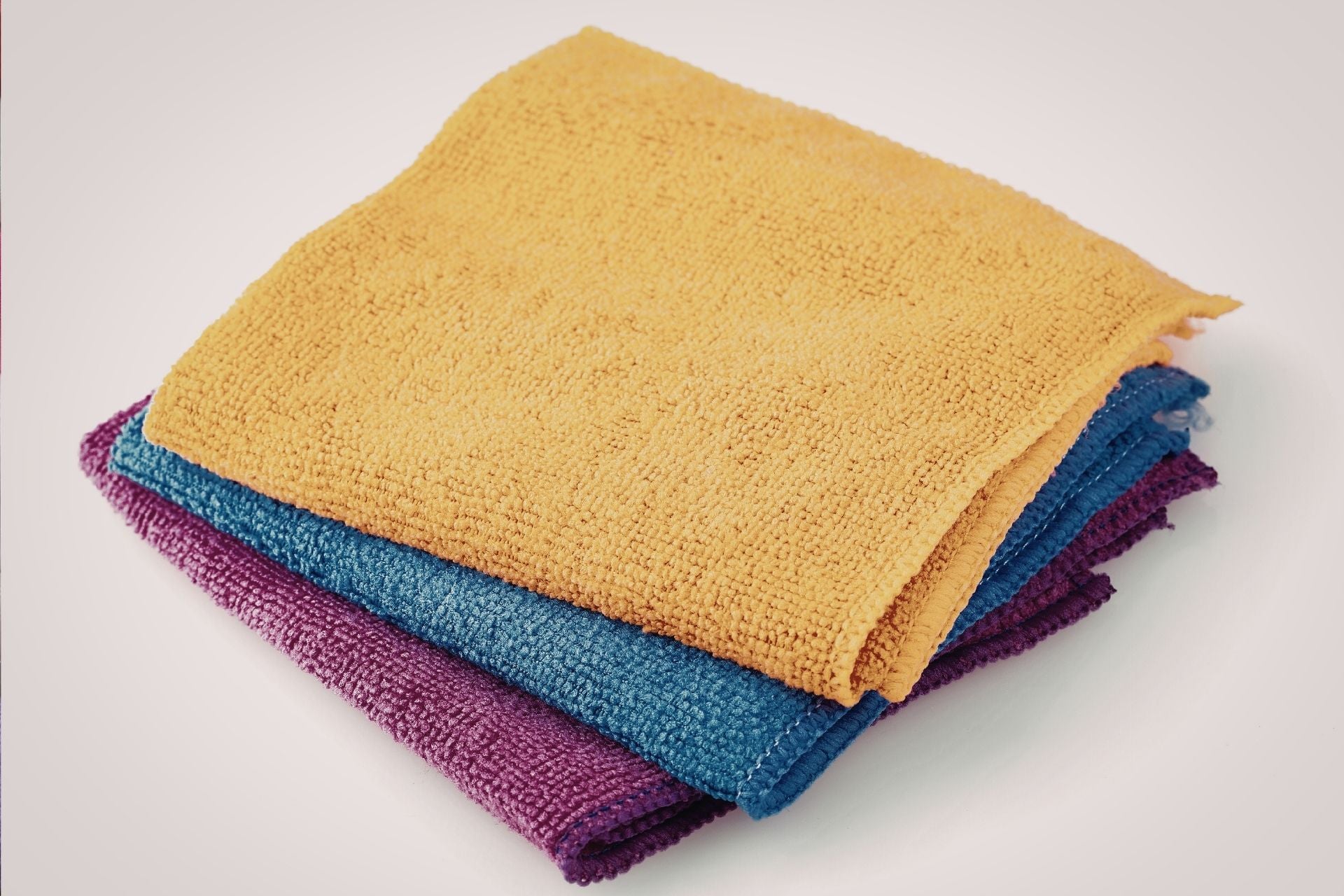
Reusable vs Disposable Cloths: The Real Cost Calculation