

Proudly manufactured in the UK.

Built for professional use.

Free delivery over 60 units.
Cloth quality is not a minor procurement decision in a machining environment. A cloth that sheds fibres during a bearing installation puts contamination directly into the assembly. One loose fibre in a hydraulic servo valve causes a failure that takes far longer to diagnose than it took to prevent. Cheap cloths also embed swarf. A cloth that picks up metal chips from a turning operation and is then dragged across a slideway or finished bore will mark the surface. Before CMM inspection, workpiece surfaces need to be clean and dry, not just wiped. Oil film left by a poor-quality cloth changes the reading. Degreasing on mating faces and close-tolerance bores carries the same requirement.
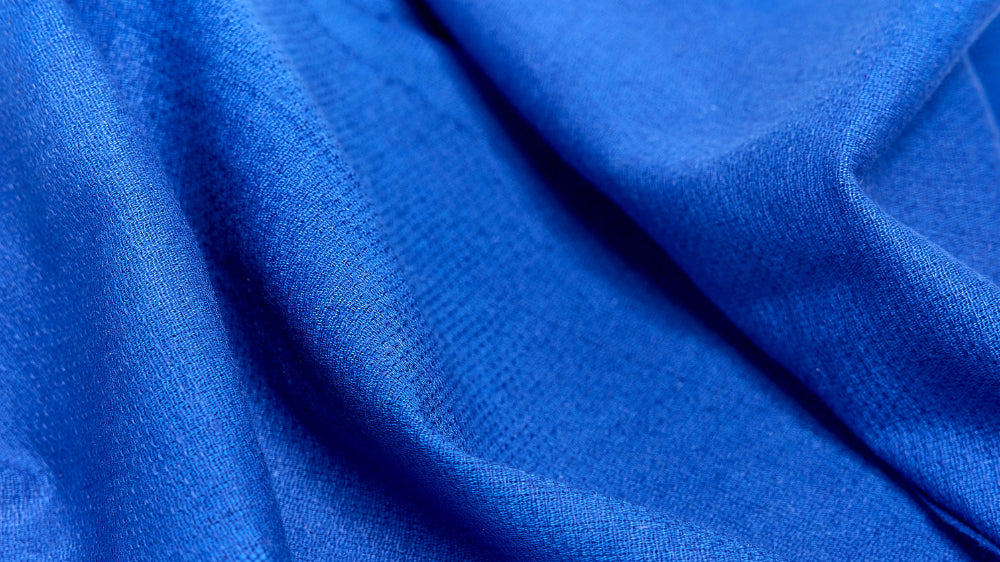
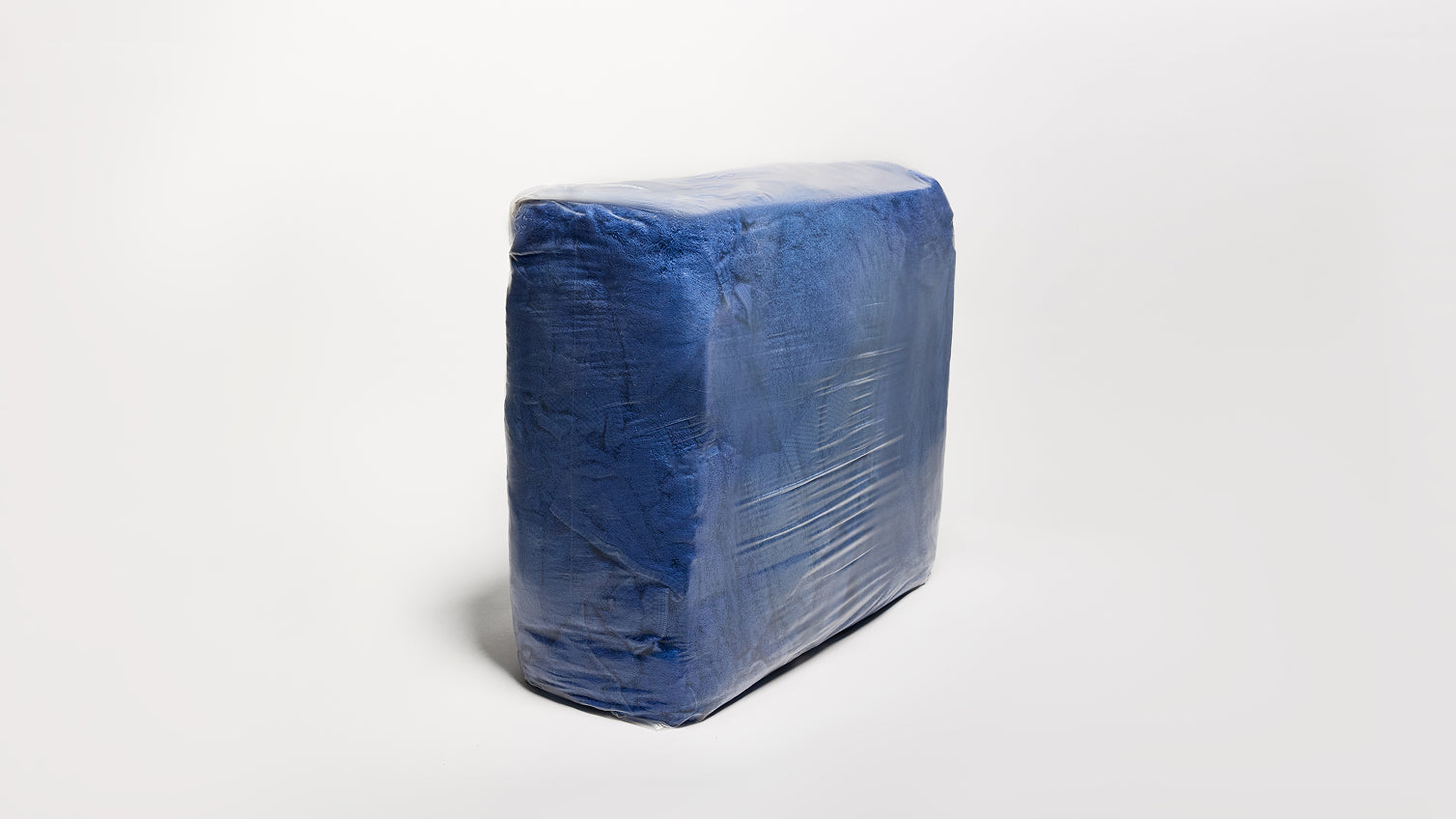
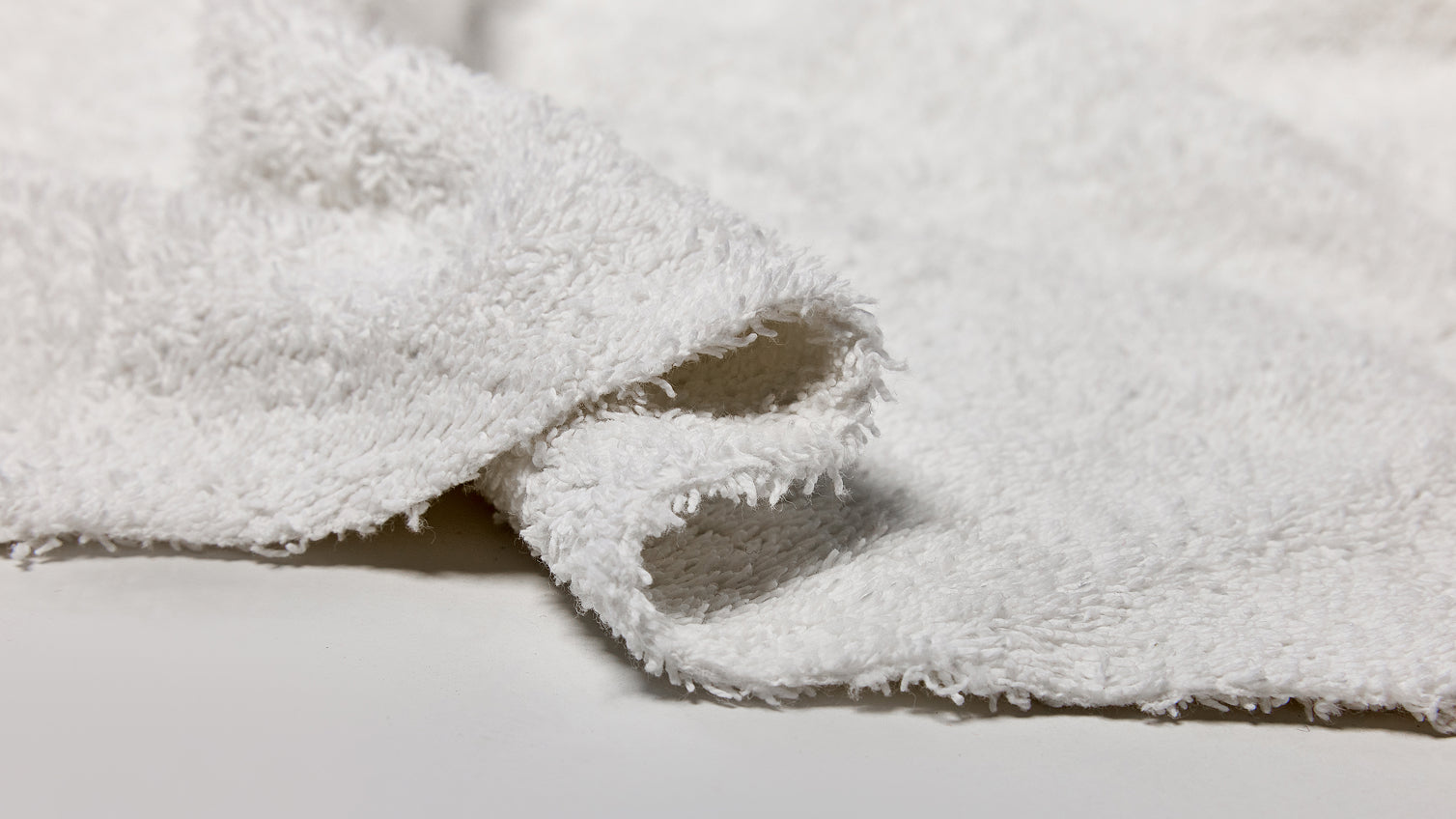
Red Rose has manufactured industrial cleaning cloths in the UK since 1958. Every cloth arrives pre-washed and sterilised, removing loose fibres before the bag is opened. That matters on precision work where a cloth shedding heavily on first use is not an option. Batch quality is consistent, order to order. Bulk bags come in 5kg, 8kg and 10kg to match workshop consumption rates. For heavy oil and coolant soiling, the cost per use is lower than blue roll. The recycled textile credentials support ISO 14001 and ESG procurement reporting without any extra paperwork.
FAQs
Will these cloths leave fibres in precision assemblies or hydraulic systems?
The cloths are washed and sterilised before despatch, which removes loose fibres during manufacturing rather than leaving that to the workshop. Low-lint performance is the result of the wash process, not a marketing claim. That matters for bearing installations, hydraulic circuit maintenance and any close-tolerance assembly work where a fibre left behind is a contamination event, not a minor inconvenience.
Are these cloths compatible with cutting fluids, solvents and penetrating oils?
These cloths hold up to the solvents engineers use regularly: IPA, white spirit, acetone, penetrating oils and light cutting fluids. The recycled linen and cotton construction does not degrade or shed additional fibres when saturated, which is the failure mode that makes cheaper cloths unworkable for degreasing on mating faces. For Loctite clean-down and anti-seize residue removal, they hold together without disintegrating mid-task. Phosphoric acid rust treatment wipe-overs are also fine.
How do these cloths handle swarf and coolant during machining operations?
Swarf is the problem most cloth manufacturers do not talk about. Metal chips from turning and milling operations embed in the surface of a cloth, and if that cloth is then used on a slideway, machine bed or finished workpiece, the swarf does the scratching. The construction of these cloths resists embedding better than thin paper-type wipes.
For coolant and soluble oil, absorbency is high enough that a single cloth handles a significant spill on a machine bed without breaking up or leaving residue. For flood coolant clean-down at the end of a shift, the bulk bag format makes restocking straightforward.
What are the COSHH and waste disposal requirements for oil-contaminated cloths?
Oil-contaminated rags are classified as hazardous waste under the Hazardous Waste Regulations 2005 and must be stored in fire-safe, sealed containers before collection by a licensed waste carrier. COSHH assessments for solvent-soaked cloths should reference the specific substances used and the exposure controls in place. The cloths themselves do not require special handling before use.
Used cloths contaminated with oil or solvent should not go in general waste bins. Most engineering workshops manage this through a rag collection contract alongside their used oil disposal service.
Are recycled industrial cloths better value than blue roll for engineering workshops?
Blue roll is the default in most workshops, and for light clean-up tasks it is adequate. For heavy oil, coolant and hydraulic fluid removal, a single recycled cloth outperforms two or three sheets of blue roll in absorption and does not disintegrate mid-wipe. The cost per use comparison shifts quickly once you factor in how many blue roll sheets go through a single machine bed clean-down.
Bulk bag pricing for recycled cloths is also lower per unit weight than comparable volumes of quality blue roll. A busy machining shop running two shifts a day will typically see the difference within the first month.